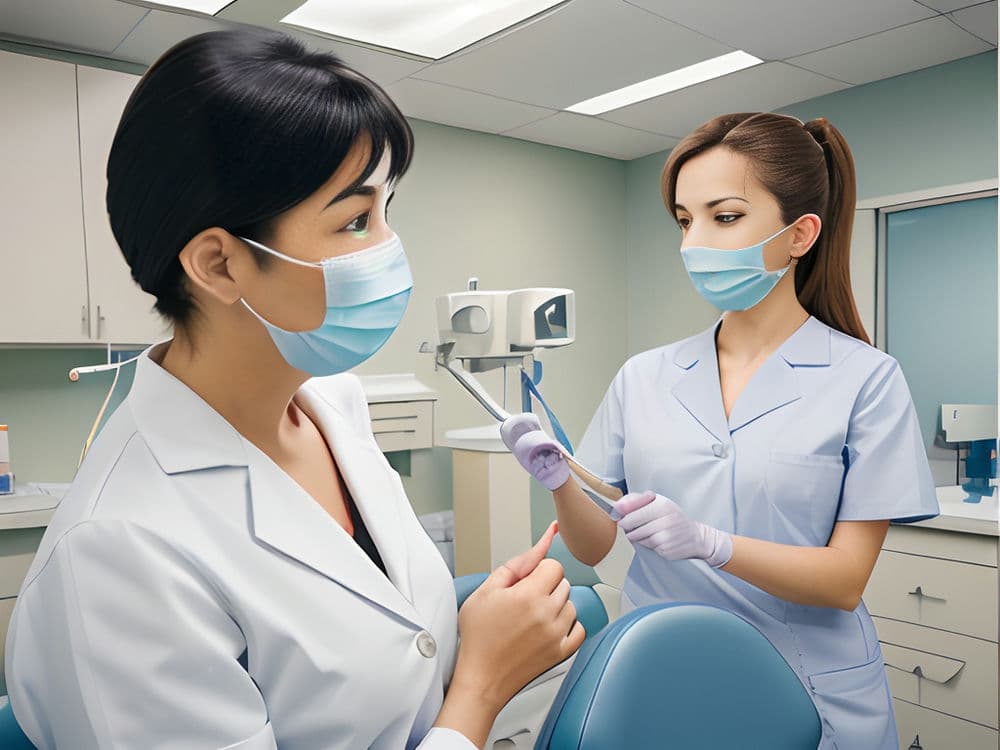
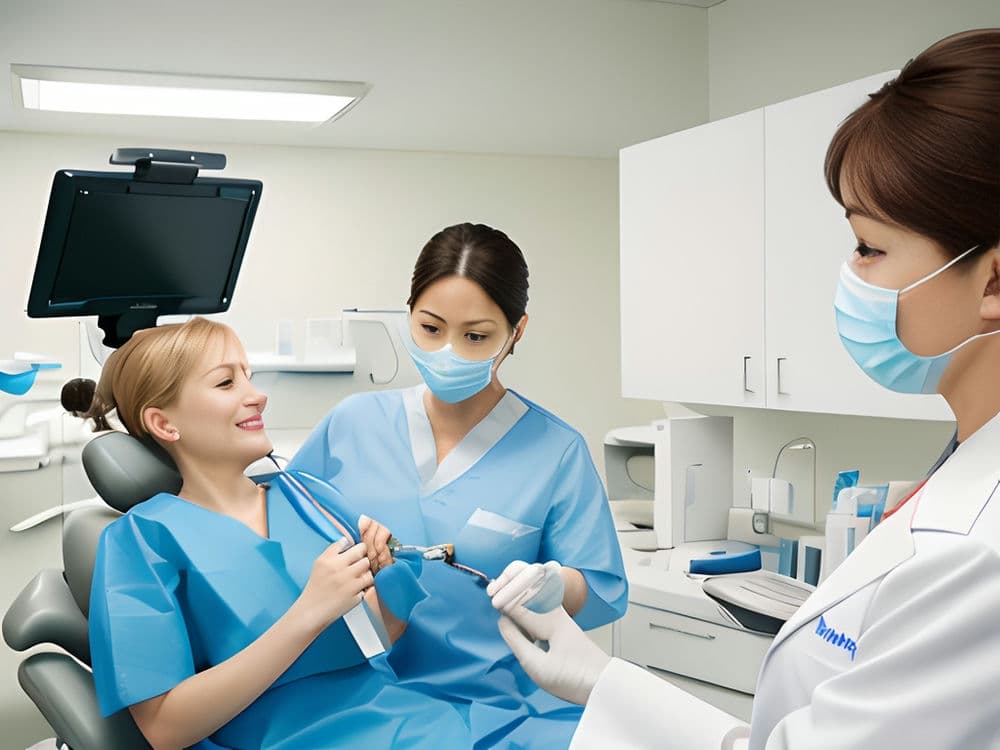
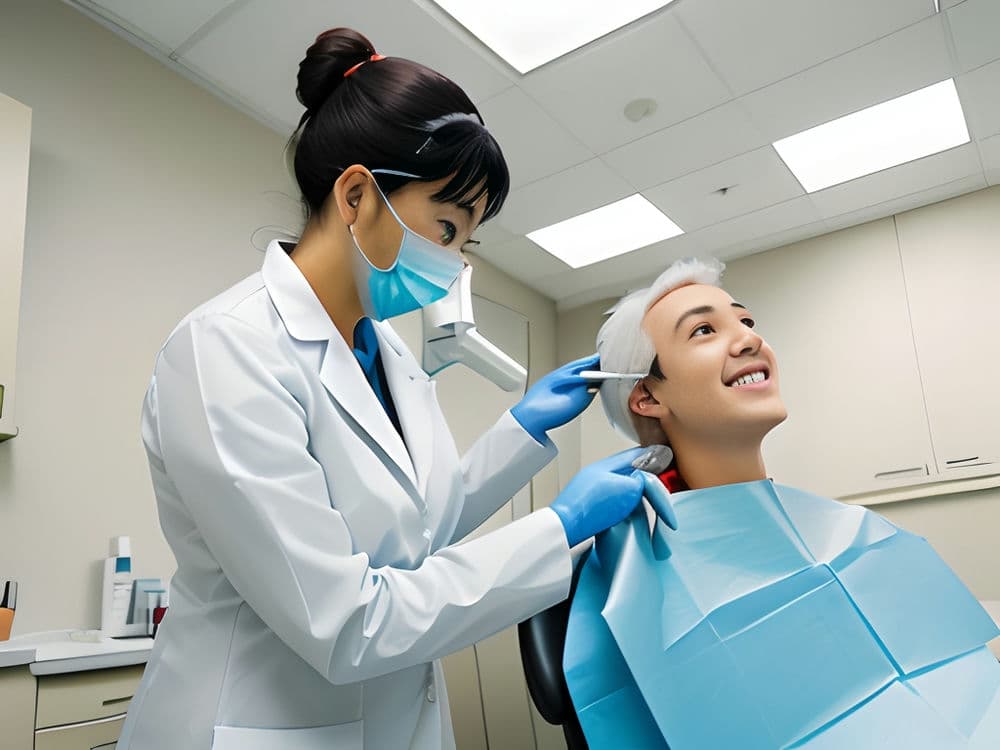
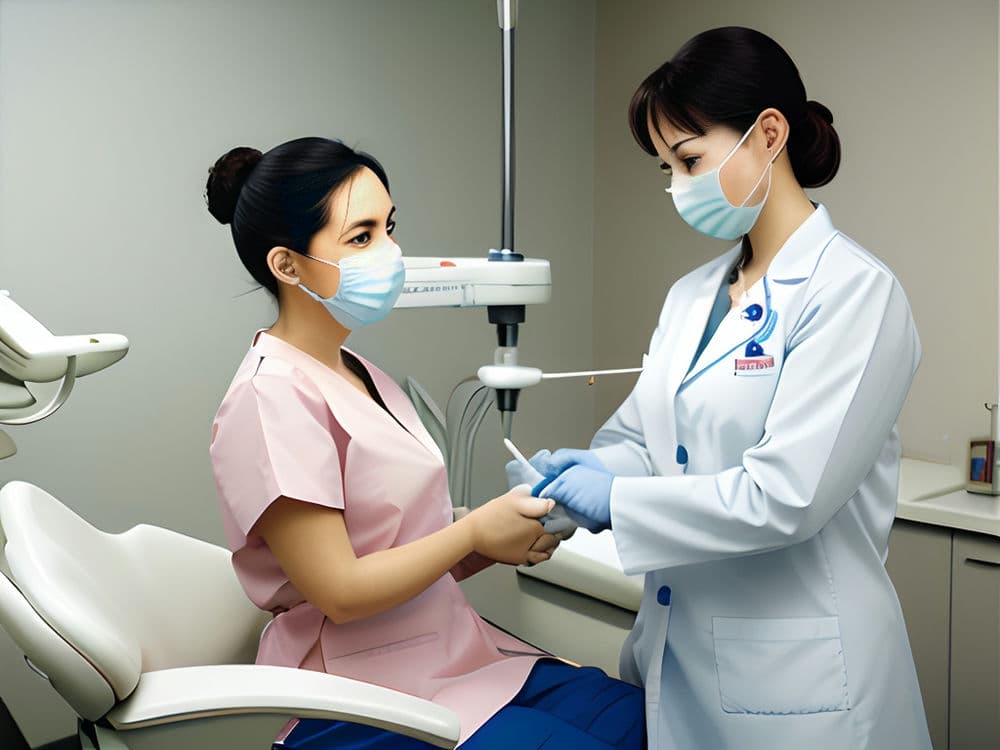
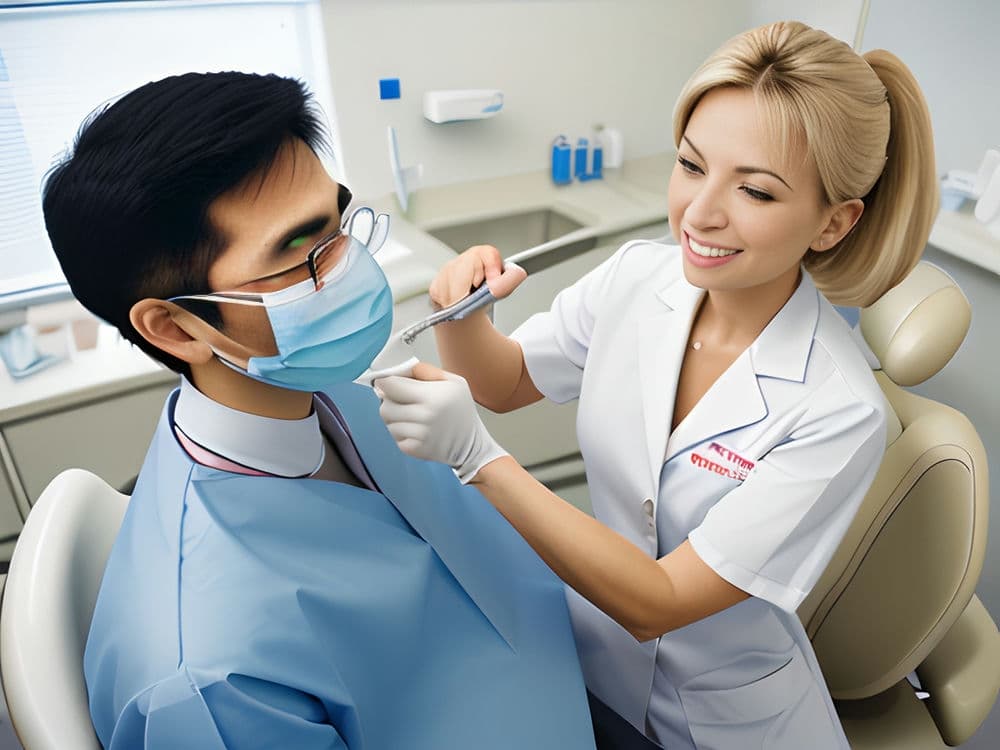
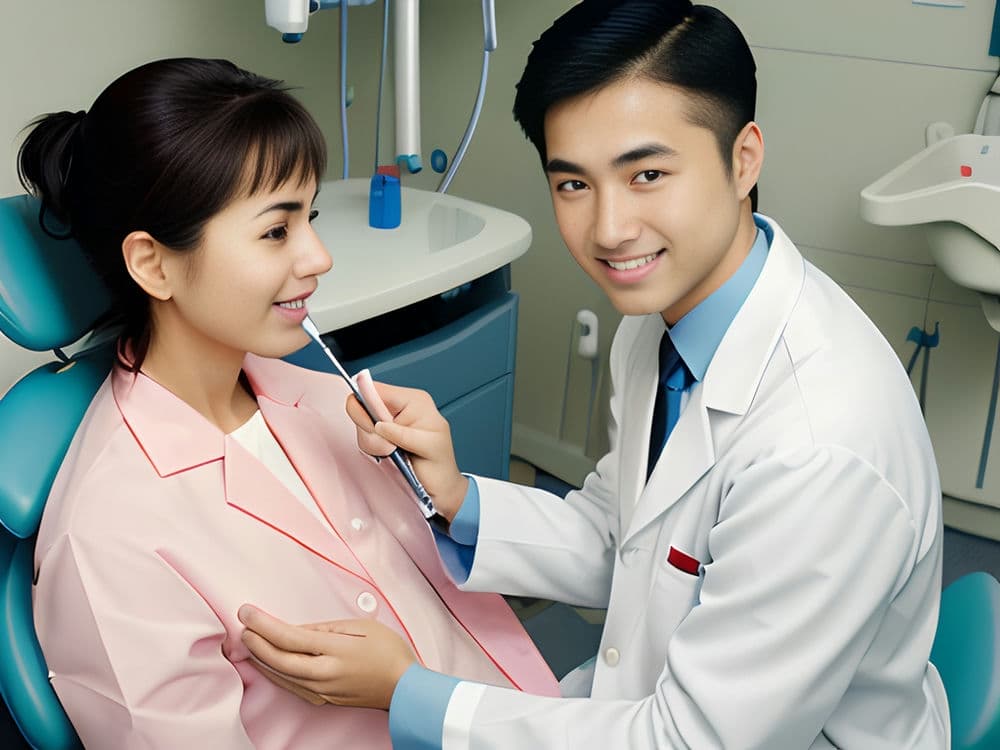
Orthodontics has long been synonymous with the quintessential metal braces that realign teeth over time. However, the landscape of this dental specialty has undergone a remarkable transformation with the advent of clear aligner systems, such as Invisalign. These innovative devices have significantly enhanced patient comfort while delivering effective treatment outcomes.
Clear aligners are virtually invisible trays made from medical-grade plastic. They are custom-made to snugly fit over the patient's teeth and gently nudge them towards the desired position. Unlike traditional braces, there are no brackets or wires involved, which reduces the risk of irritation to the inside of the mouth.
Invisalign, one of the pioneering brands in clear aligner technology, offers a discreet orthodontic solution for those who prefer not to showcase their ongoing dental treatment. The system uses 3D computer imaging technology to map out a complete treatment plan from the initial position of a patient's teeth to their final desired placement. Each set of aligners is worn for about two weeks before moving on to the next set in the series, gradually shifting teeth into place.
One significant advantage is that these aligners are removable. Patients can take them out when eating or cleaning their teeth and reinsert them afterward. This flexibility allows individuals to maintain better oral hygiene and enjoy an unrestricted diet—luxuries not afforded by traditional braces.
Moreover, clear aligners often require fewer visits to the orthodontist since adjustments don't need manual wire tightening. Each new set of trays is designed to continue tooth movement without additional intervention until it's time for a check-up and collection of the next batch.
Despite these benefits, clear aligner systems may not be suitable for every case. Severe malocclusions might still require conventional braces for optimal results. Nonetheless, for many patients looking for a less noticeable and more comfortable alternative to metal braces, Invisalign presents an attractive option.
The innovation doesn’t stop at comfort and aesthetics; some clear aligners also incorporate features like compliance indicators that fade with wear-time or SmartTrack material designed specifically for more predictable tooth movement.
In conclusion, innovations like Invisalign have revolutionized orthodontics by providing solutions focused on enhancing patient comfort without compromising effectiveness. As this technology continues evolving with advancements like AI-assisted treatment planning and biocompatible materials, we can expect it will redefine what it means to undergo orthodontic care—all while keeping patient satisfaction at its core.
Orthodontic treatment has undergone a significant transformation with the advent of clear aligners, heralding an era where patient comfort and convenience are paramount. Traditional braces, often associated with discomfort and aesthetic concerns, have been eclipsed by these virtually invisible alternatives that promise a less invasive journey to achieving a perfect smile.
At the heart of this innovation is the custom-fit design of clear aligners. Unlike metal brackets that require tightening and can irritate oral tissues, aligners offer a smooth surface that reduces friction against the lips and cheeks. This tailored approach drastically diminishes the incidence of abrasions commonly experienced by patients with conventional braces.
Clear aligners also empower patients with their removability feature. The ability to remove the device during meals eliminates dietary restrictions, allowing individuals to enjoy their favorite foods without fear of damaging their orthodontic appliance or compromising hygiene. This level of flexibility is unprecedented in traditional orthodontics and enhances overall quality of life during treatment.
Moreover, the discreet nature of clear aligners addresses one of the major deterrents for adults considering orthodontic correction: visibility. Aligners are nearly undetectable when worn, providing an aesthetically pleasing option that doesn’t draw attention to the ongoing dental work. For image-conscious teens and adults, this aspect alone significantly improves their orthodontic experience.
In terms of pain management, clear aligners apply gentle yet effective pressure on teeth to guide them into place gradually. The absence of sudden adjustments typical in metal brace tightening sessions reduces episodes of acute discomfort, making for a more tolerable experience throughout treatment duration.
Furthermore, advancements in 3D imaging technology paired with clear aligner therapy allow for precise mapping and predictability in treatment planning. Patients can visualize potential outcomes before beginning treatment—enhancing confidence in both process and result—and practitioners can monitor progress efficiently without as many in-office visits as traditionally required.
While metal braces remain a viable option for complex cases, it’s undeniable that clear aligners represent an evolutionary step forward in patient-centered care within orthodontics. Offering reduced pain levels, increased convenience, and superior aesthetics—the attributes collectively contribute to enhancing patient satisfaction and promoting acceptance toward orthodontic intervention.
The integration of such innovations reflects an evolving understanding within dentistry: that successful outcomes extend beyond technical achievements—they must also encompass patient well-being and comfort throughout their transformative journey toward optimal dental health.
In the realm of orthodontics, patient comfort and customization are paramount. The advent of 3D printing technology has ushered in a groundbreaking innovation: customizable 3D-printed brackets. Unlike traditional metal or ceramic braces, which are one-size-fits-all and often cause discomfort due to their rigid structure, these novel brackets are tailored to fit the unique contours of an individual’s teeth.
Customizable 3D-printed brackets are designed using precise digital scans of a patient's mouth. This results in a perfect fit that not only improves comfort but also potentially reduces the duration of treatment. The customization goes beyond just size and shape; even the force applied for tooth movement can be fine-tuned to each tooth, optimizing the path to a straighter smile.
The process begins with intraoral scanning, creating a detailed 3D model of the patient's dentition. Orthodontists can then design braces that account for specific dental anatomy and desired outcomes. Once finalized, these designs are sent to high-resolution 3D printers that construct the brackets layer by layer from biocompatible materials.
Patients benefit greatly from this personalized approach. The snug fit of these bespoke brackets minimizes irritation to soft tissues within the mouth – an issue frequently encountered with generic braces. Moreover, as they blend seamlessly with one's natural teeth, they offer an aesthetic advantage that is especially appealing to image-conscious adolescents and adults.
Additionally, because these custom-made brackets adhere precisely where needed on each tooth, they facilitate more efficient tooth movement. This precision may lead to fewer orthodontic visits for adjustments and could potentially shorten overall treatment time – a convenience highly appreciated by patients leading busy lives.
Furthermore, advancements in materials used for 3D printing mean that newer iterations of custom brackets can be stronger yet lighter than their predecessors. This further enhances durability while maintaining superior comfort levels.
To conclude, customizable 3D-printed brackets represent a significant leap forward in orthodontic care. They marry personalization with efficiency, providing patients with more comfortable experiences and aesthetically pleasing results. As this technology continues to evolve and become more accessible, it promises to transform smiles with unprecedented ease and precision.
Innovations in orthodontics are revolutionizing the way dental professionals approach teeth alignment, providing solutions that offer increased comfort and customization for patients. One of the most exciting advancements is the development of personalized 3D-printed bracket systems. This cutting-edge technology harnesses the precision of 3D printing to create brackets that are tailored to the unique contours and alignment needs of each individual's teeth.
Traditionally, braces have been one-size-fits-all, often resulting in discomfort due to poorly fitting brackets and archwires. The generic nature of these components can also lead to longer treatment times as they do not account for patient-specific dental anatomy or movement patterns. However, with personalized 3D-printed brackets, orthodontists can now design a bespoke treatment plan that addresses these issues head-on.
The process begins with a detailed scan of the patient's mouth using sophisticated imaging technology. This data is then used to generate a digital model where precise bracket placement is planned out. Once finalized, this information guides high-resolution 3D printers to fabricate brackets made from biocompatible materials that fit snugly against each tooth's surface.
These customized brackets work in tandem with specially designed archwires to move teeth efficiently towards their desired position. The perfect fit reduces irritation to surrounding gums and mouth tissue, which is common with traditional braces. As a result, patients experience less pain during their orthodontic journey and can enjoy quicker adjustment periods after fittings or tightenings.
Furthermore, because personalized 3D-printed bracket systems take into account optimal force distribution for tooth movement, they often shorten overall treatment time compared to conventional methods. This means individuals can achieve their dream smile faster while enduring fewer discomforts along the way.
In conclusion, personalized 3D-printed bracket systems mark a significant leap forward in orthodontic care. They blend technological prowess with patient-centered design principles to deliver comfortable and efficient treatments tailored specifically for each person’s dental structure—a true embodiment of innovation in pursuit of enhancing patient well-being within orthodontics.
Orthodontics, the dental specialty focusing on correcting irregularities of teeth and jaws, has seen remarkable advancements that aim to minimize treatment duration and elevate patient comfort. Traditional braces, once the only option for straightening teeth, often required a lengthy treatment process that could span several years. Moreover, the associated discomfort from wire adjustments and bracket friction was a common grievance among patients.
Today's innovations in orthodontic technology have dramatically transformed this scenario. One of the most significant developments is the introduction of clear aligners, such as Invisalign. These custom-fitted, transparent devices offer a virtually invisible solution for teeth alignment. Clear aligners are not only aesthetically pleasing but also significantly reduce oral discomfort and irritation caused by metal braces.
Another innovation is self-ligating braces that use a slide mechanism instead of elastics to hold wires in place. This reduces the amount of pressure exerted on teeth while allowing for more freedom of movement. As a result, patients experience less pain during treatment and require fewer visits to the orthodontist for adjustments.
Furthermore, advancements in 3D imaging technology have revolutionized treatment planning in orthodontics. High-resolution scans allow for precise mapping of a patient’s oral structure, enabling orthodontists to create more accurate and effective treatment plans. This personalized approach not only shortens treatment time but also increases predictability of outcomes.
Thermal-activated archwires are another innovative addition to modern orthodontics. These wires utilize body heat to maintain consistent pressure on teeth without needing frequent tightening. Consequently, they make periodic adjustments gentler and less frequent—further reducing overall discomfort and shortening office visits.
Vibration-based technologies provide an adjunctive therapy that can be used at home to facilitate faster tooth movement through gentle vibrations applied to the dentition regularly. Such devices complement traditional treatments by potentially speeding up bone remodeling.
Lastly, teledentistry has emerged as a vital tool amidst these technological strides—enabling remote monitoring of progress which allows minor issues to be addressed promptly without necessitating an office visit each time—a convenience that certainly enhances patient comfort.
In conclusion, these innovations in orthodontic appliances and techniques represent monumental leaps toward improving patient experiences by reducing both physical discomfort and total time spent undergoing correctional procedures—a dual achievement that resonates profoundly with those seeking dental perfection with minimal intrusion into their daily lives.
Low-Level Laser Therapy (LLLT) represents a cutting-edge advancement in the realm of orthodontics, markedly enhancing patient comfort and expediting treatment processes. Traditional braces, often associated with discomfort and prolonged adjustment periods, are increasingly complemented by innovative techniques such as LLLT to improve the orthodontic experience.
At its core, LLLT employs non-invasive, painless light emissions to stimulate cellular activity within oral tissues. This biostimulation can accelerate tooth movement, reduce inflammation, and alleviate pain commonly experienced during orthodontic treatment. By doing so, it addresses one of the primary concerns of patients undergoing corrective procedures: discomfort management.
The integration of LLLT into orthodontic care has been met with considerable enthusiasm from both practitioners and patients alike. Orthodontists appreciate the therapy's capacity to potentially shorten treatment duration and enhance tissue healing, while patients benefit from a more comfortable journey toward achieving their desired smile.
From reducing the need for analgesics to diminishing instances of soft tissue ulceration caused by brace brackets or wires, LLLT serves as a beacon for patient-centered innovation in dentistry. Its application extends beyond mere symptomatic relief; it may also improve the alignment process itself by influencing bone remodeling—a critical component in shifting teeth into their correct positions.
As research into Low-Level Laser Therapy continues to unfold, its role within orthodontics is poised to expand further. Already an invaluable tool for promoting comfort and efficiency in dental corrections, LLLT stands on the frontier of technological progress in oral health care—ushering in an era where advanced treatments go hand-in-hand with enhanced patient experiences.
Innovations in orthodontics have continually sought to enhance patient comfort while improving the efficacy of treatment. One such emerging modality is low-level laser therapy (LLLT), a technology that has garnered attention for its potential role in accelerating tooth movement, thus reducing the duration of orthodontic treatment.
Low-level laser therapy operates on the principle of photobiomodulation. Photons from the laser interact with cellular components, leading to increased cellular metabolism and improved blood flow. The biological mechanism behind LLLT suggests that it can stimulate osteoblastic and osteoclastic activity—key processes involved in remodeling bone during orthodontic tooth movement.
When considering patient comfort, LLLT shines as a non-invasive approach with minimal side effects. Traditional methods of accelerating tooth movement, such as surgical interventions, can be more invasive and may prolong recovery times. In contrast, LLLT offers a gentler alternative that complements routine orthodontic adjustments.
Clinical studies investigating the effectiveness of LLLT in orthodontics have shown promising results. Patients receiving LLLT alongside their standard orthodontic care often report less discomfort following adjustment appointments—a noteworthy benefit given that pain management is a significant aspect of patient satisfaction.
Moreover, by potentially shortening treatment timeframes, LLLT not only enhances physical comfort but also contributes to psychological well-being. A shorter treatment period means fewer office visits and quicker realization of desired aesthetic outcomes—a compelling advantage for those eager to see their new smiles.
While research into LLLT is still evolving, initial findings suggest it holds substantial promise for improving the orthodontic experience. As we continue to explore this innovation's full capabilities, its integration into everyday practice looms on the horizon as an appealing advancement for patients seeking both efficiency and comfort in their journey toward optimal dental alignment.
The incorporation of technologies like LLLT exemplifies how modern advancements are revolutionizing the field of orthodontics—making treatments faster, more comfortable, and increasingly tailored to individual needs. The future looks bright as ongoing innovation promises even more sophisticated solutions for enhancing patient experiences during what was once considered a daunting process: achieving a beautifully aligned smile through orthodontics.
In the realm of orthodontics, patient comfort has historically taken a backseat to the primary goal of correcting dental misalignments. However, recent innovations are revolutionizing this field by significantly reducing pain and discomfort associated with orthodontic adjustments, thus enhancing the overall treatment experience.
One such innovation is the development of low-force braces and wires. These appliances apply continuous but gentle pressure on teeth, alleviating much of the soreness traditionally felt after adjustments. The application of biomechanical principles ensures that movements are more gradual and less traumatic for the dental structures involved.
Another breakthrough pertains to aligner therapies. Clear aligners have transformed orthodontics by offering a nearly invisible method to straighten teeth without brackets or wires. Besides their aesthetic appeal, they provide a smoother experience as they do not irritate oral soft tissues and can be removed for eating or cleaning, minimizing discomfort.
Furthermore, advancements in pharmacological methods aim at preempting adjustment-related discomfort. Orthodontists now have access to analgesics specifically formulated to target oral pain without undue side effects. This proactive approach allows patients to manage potential discomfort effectively before it escalates into significant pain.
The integration of cutting-edge technology like 3D imaging also plays a pivotal role in enhanced comfort. By creating precise models of a patient’s dentition, orthodontists can plan interventions more accurately, reducing trial-and-error adjustments that could cause unnecessary discomfort.
Lastly, custom-made orthodontic devices designed using computer-aided design (CAD) and manufacturing (CAM) ensure a personalized fit unique to each patient's oral anatomy. Such bespoke solutions diminish irritation since they conform perfectly to individual contours inside the mouth.
In conclusion, innovations in orthodontics focusing on patient comfort signal a paradigm shift toward more humane care without compromising treatment effectiveness. As these advances continue to evolve and become widely adopted, we anticipate further reductions in pain associated with orthodontic procedures—ushering in an era where achieving a perfect smile is not only attainable but also a substantially less uncomfortable journey.
Innovations in orthodontics continually aim to improve patient comfort, and two notable advancements are the use of Smart Wires and Memory Shape Alloys. These materials demonstrate how technology can enhance the effectiveness and ease of dental corrections.
Smart Wires, developed with cutting-edge research, utilize thermal activation from the patient's own body heat to apply gentle forces to the teeth. Traditional braces often require manual tightening, which can cause discomfort and inconvenience.
Innovations in Orthodontics for Enhanced Patient Comfort - diagnosis
- diagnosis
- patient
- nerve
In contrast, Smart Wires gradually and consistently move teeth into their desired positions without the need for frequent adjustments. This not only reduces pain but also decreases the number of visits to the orthodontist.
Memory Shape Alloys are another breakthrough that revolutionizes traditional practices. Composed of nickel-titanium, these alloys have a unique ability to remember their original form. When deformed at low temperatures during installation, they return to their predetermined shape once warmed by oral temperature. This property allows for a consistent application of force on misaligned teeth. Consequently, patients experience less pressure and discomfort compared to conventional wires.
Both technologies signify a shift towards more personalized orthodontic care with an emphasis on comfort. The integration of such innovative materials enables practitioners to offer treatments that reduce pain while delivering efficient results over time.
By embracing these advanced solutions, orthodontics is set on a path where patient well-being is as much a priority as aesthetic outcomes – ensuring smiles are not only straightened but also attained through a more pleasant journey toward oral health.
Innovations in the field of orthodontics continue to revolutionize the way dental professionals approach teeth alignment, with a keen focus on enhancing patient comfort. One such advancement is the development and utilization of temperature-activated wires within braces. These technologically advanced wires embody a transformative shift from traditional methods, offering a more comfortable and efficient treatment process.
Traditional metal wires used in braces were often rigid and required frequent adjustments, which could be uncomfortable for patients. However, temperature-activated wires are designed to respond to the natural warmth of the human mouth. This remarkable feature means that these wires are softer and more pliable at room temperature, facilitating easier installation by orthodontists. Once placed in the oral environment, they gradually stiffen as they warm up to body temperature.
The genius behind these innovative wires lies in their composition; they are typically made from a nickel-titanium alloy known as Nitinol. This material exhibits unique thermodynamic properties that allow it to "remember" an optimal shape. When cooled during routine adjustments or attachment to brackets, Nitinol wires become extremely flexible. When warmed by oral temperatures, they gently exert continuous pressure on misaligned teeth, nudging them toward their desired positions over time with less force than conventional stainless steel counterparts.
By applying a consistent but gentle force, temperature-activated wires reduce some of the discomfort commonly associated with orthodontic adjustment periods. Patients report fewer instances of soreness following visits to their orthodontist since the gradual movement reduces abrupt tension on teeth and surrounding tissues.
Moreover, this innovation can potentially shorten overall treatment time. The sustained pressure ensures that teeth move steadily towards their targeted alignment without needing aggressive manual wire changes at each dental visit—this means less chair time for patients and increased efficiency for practitioners.
Temperature-activated technology has also paved the way for aesthetic enhancements in braces. Since these smart materials require less frequent adjustments and maintain a low profile due to their flexibility when cold, they can be paired with clear or tooth-colored brackets for an inconspicuous appearance—a significant boon for self-conscious teens and adults seeking orthodontic correction.
In conclusion, embracing innovations such as temperature-activated wires underscores orthodontics' commitment not only to achieving precise results but also prioritizing patient experience throughout treatment journeys. As research progresses in creating smarter materials and techniques aimed at comfort and convenience, we anticipate even greater strides in patient-centered care within this specialty field.
Orthodontic treatments have historically been associated with discomfort and lengthy adjustment periods, often deterring patients from seeking or continuing care. However, recent innovations in orthodontics are revolutionizing this landscape, significantly enhancing patient comfort while minimizing the need for frequent adjustments.
One of the groundbreaking advancements is the development of clear aligners. Unlike traditional metal braces that can irritate oral tissues, clear aligners are smooth and less intrusive. They conform closely to the shape of the teeth, providing a snug fit that reduces discomfort. Moreover, these aligners are virtually invisible when worn, boosting patient confidence during treatment.
The introduction of thermal-activated wires in braces has also transformed patient experiences. These wires respond to body heat and maintain consistent pressure on teeth over time. This innovation decreases the frequency of manual adjustments typically required by orthodontists, making treatment more bearable and convenient for patients.
Another significant development is the use of 3D printing technology to customize appliances accurately. With 3D imaging and printing, orthodontists can design devices that fit perfectly with an individual's dental anatomy. This personalized approach not only shortens the adjustment period but also reduces soreness associated with poorly fitted devices.
Furthermore, advancements in palatal expanders have eased the process for those requiring expansion of their upper jaw. Newer designs allow for gentler and more gradual expansion movements which decrease pain levels compared to older models.
Lastly, robotic wire bending technology like SureSmile offers precise bends in archwires according to digital treatment plans prepared by orthodontists. This precision leads to fewer office visits for adjustments and a quicker path to achieving desired results without sacrificing comfort.
In conclusion, modern innovations in orthodontics are actively focusing on reducing both physical discomfort and psychological apprehension among patients undergoing treatment. By integrating advanced materials, technologies like 3D printing, sophisticated design methodologies such as CAD/CAM software, and embracing digitalization overall—including virtual consultations—orthodontics now promises a smoother journey towards achieving a healthy smile with less hassle than ever before.
Innovations in orthodontics continually push the boundaries of patient comfort and treatment efficiency. One particularly intriguing advancement is the emergence of vibration devices designed to expedite the orthodontic process, dubbed Accelerated Orthodontics.
These handheld contraptions emit gentle vibrational waves that are transferred to the teeth and surrounding bone structures. The fundamental premise supporting this technology is that these micro-vibrations can stimulate cellular activity within the jawbone, potentially increasing the rate at which teeth can move safely through bone tissue. Consequently, patients may experience a reduction in overall treatment time compared to traditional braces or aligners alone.
For example, devices such as AcceleDent claim to accelerate tooth movement by up to 50% when used for just 20 minutes per day alongside conventional orthodontic appliances. This represents a significant leap forward for individuals eager to minimize their duration in braces or clear aligners.
Moreover, these vibration devices also tout an additional benefit: enhanced comfort. By fostering a more efficient remodeling of bone around shifting teeth, patients might encounter less discomfort typically associated with orthodontic adjustments.
Despite these promising benefits, it's imperative to note that scientific opinions vary regarding the efficacy of vibration technologies in accelerating orthodontic treatment. While some studies have shown positive outcomes, others call for further research to substantiate these claims robustly.
Nonetheless, as dental professionals seek innovative ways to improve patient experiences and outcomes, vibration devices for accelerated orthodontics exemplify a trend towards integrating cutting-edge technology into everyday dental practice—potentially revolutionizing how we approach teeth straightening and enhancing patient satisfaction along the way.
Innovations in orthodontics have always aimed at improving patient comfort while effectively correcting dental irregularities. One of the groundbreaking advancements within this field is vibrational technology, a system designed to facilitate and expedite tooth movement.
Traditional braces work by applying continuous pressure over time to slowly move teeth into their desired position. Despite the effectiveness of this method, it often results in prolonged treatment durations and discomfort for many patients. Vibrational technology seeks to address these issues by introducing micro-vibrations that can potentially accelerate the remodeling of bone surrounding the teeth.
The concept behind vibrational technology is rooted in the biological processes involved in orthodontic tooth movement. When braces apply force to teeth, they create an area of compression on one side of the root where bone resorption occurs, and an area of tension on the other side where new bone formation takes place. This process is known as bone remodeling and is critical for allowing teeth to shift positions.
Vibrational devices emit gentle vibrations that are believed to stimulate cellular activity within the jawbone. The hypothesis is that these micro-vibrations increase blood flow and cellular responses around the areas being remodeled, thereby accelerating the rate at which teeth can move safely. This could not only shorten treatment times but also enhance patient comfort by reducing some of the soreness associated with traditional orthodontic adjustments.
Patients typically use these small handheld devices for just a few minutes each day alongside their regular orthodontic care regimen. The convenience and ease-of-use add another layer of appeal, making it more likely for patients to adhere to their prescribed treatments.
While research continues to delve deeper into understanding how effective vibrational technology truly is, early studies suggest promising outcomes. Orthodontists who adopt this innovative approach offer their patients a cutting-edge solution that intertwines efficiency with enhanced comfort—an attractive proposition for anyone looking forward to a straighter smile without extended discomfort or inconvenience.
As orthodontic technologies evolve, vibrational methods represent just one facet of an ever-expanding toolkit designed with patient well-being in mind. With continued innovation and scientific validation, such tools may become standard practice in creating beautiful smiles quickly and as painlessly as possible.
Orthodontic treatment has long been associated with lengthy procedures and patient discomfort, leading to a demand for innovations that could streamline the process while enhancing comfort. The latest advances in orthodontics have focused on reducing overall treatment time and minimizing pain, thereby improving patient experience.
One such innovation is the development of self-ligating braces. Traditional braces require elastic bands which can cause friction and discomfort; self-ligating systems eliminate these bands by using special clips or doors to hold the wire. This design not only reduces the amount of pressure exerted on the teeth but also decreases the number of required adjustments, effectively cutting down treatment duration.
Another breakthrough is the use of clear aligners, exemplified by Invisalign. Unlike conventional braces, these aligners are virtually invisible and can be removed during eating or brushing, offering an aesthetic and convenient alternative. Furthermore, they are custom-made using 3D imaging technology to fit snugly over your teeth, providing a more comfortable fit with less irritation to soft tissues.
In addition to hardware innovations, there has also been progress in supplementary technologies like AcceleDent. This device emits gentle micropulses that can accelerate tooth movement when used in conjunction with braces or aligners. As a result, it has shown potential in shortening orthodontic treatment time significantly.
Advancements in materials science have brought about more biocompatible wires made from nickel-titanium alloys that respond to body heat with gentle forces on teeth as opposed to constant heavy pressure. These smart wires reduce both treatment times and episodes of discomfort due to their ability to maintain optimal force without frequent adjustments.
The effectiveness of these innovations lies not merely in their technological sophistication but also in their practical application evidenced by clinical studies. Research indicates that patients undergoing treatments involving these new techniques report less pain compared to traditional methods and enjoy faster results.
In conclusion, modern orthodontics endeavors to provide solutions that offer reduced treatment times alongside improved comfort levels for patients. Innovations like self-ligating braces, clear aligners such as Invisalign, adjunctive devices like AcceleDent, and novel materials for orthodontic wires collectively contribute towards this goal. Their effectiveness is substantiated through research demonstrating enhanced patient satisfaction —a testament to how embracing technology can revolutionize orthodontic care.
Innovations in orthodontics have revolutionized the way patients experience dental alignment procedures, significantly enhancing comfort levels and satisfaction. Traditional braces, once synonymous with discomfort and lengthy treatment periods, are now just one of many options available to those seeking straighter teeth.
Clear aligners represent a groundbreaking alternative to metal brackets and wires. These transparent, removable devices allow for greater ease during eating and oral hygiene routines. Patients report high levels of happiness due to the minimal aesthetic impact on their smiles and the reduced irritation to gums and cheeks compared to conventional braces.
Thermal-activated nickel-titanium wires are another innovative stride in patient comfort. These wires adapt with body temperature, exerting consistent, gentle pressure on teeth, diminishing the frequency of painful adjustments often necessary with older braces technologies.
Advancements in three-dimensional imaging offer precise diagnostics without the discomfort of traditional molds. Digital scans quickly capture detailed images of a patient's oral structure, enabling customized treatment planning that can reduce overall time spent wearing corrective devices.
Furthermore, cutting-edge techniques like micro-osteoperforation accelerate tooth movement by stimulating bone remodeling. This process can shorten treatment duration by up to 50%, leading to quicker results and less time dealing with orthodontic appliances.
The convergence of these innovations has led to a significant boost in patient contentment. With reduced pain, decreased treatment times, better aesthetic options, and improved outcomes, modern orthodontic advancements continue to prioritize patient comfort while delivering exceptional results.
This shift towards patient-centered care is reflected in increased satisfaction scores reported in dental surveys. As technology progresses within the field of orthodontics, it is expected that patient experiences will only further improve—making the journey toward a perfect smile as pleasant as possible.
Innovations in orthodontics are rapidly transforming the landscape of dental care, particularly focusing on enhancing patient comfort. Traditional braces, often associated with discomfort and long treatment durations, are now giving way to cutting-edge solutions that promise reduced pain and faster results.
One such development is clear aligner technology. These virtually invisible trays offer a discreet alternative to metal brackets and wires. Patients can enjoy a less intrusive method that fits snugly over their teeth, minimizing irritation to the oral tissues. Clear aligners can also be removed for eating and cleaning, vastly improving day-to-day convenience.
Moreover, the use of 3D printing in orthodontics is revolutionizing custom-fit appliances. With precise digital models of a patient's mouth, orthodontists can create personalized devices that fit more comfortably than ever before. This not only enhances comfort but also streamlines the adjustment process, potentially shortening treatment times.
Advancements in materials science have introduced "smart" wires and brackets that exert consistent pressure on teeth while reducing overall force levels. These innovative components adapt to the temperature of the mouth, providing a gentler realignment process which reduces soreness typically experienced by patients.
Pain management has also seen significant progress with novel pharmacological approaches and non-invasive techniques like low-level laser therapy (LLLT). LLLT aids in alleviating pain without medication by promoting tissue healing and reducing inflammation around stressed dental structures during brace adjustments.
Furthermore, teledentistry is emerging as an important tool for maintaining patient comfort. Virtual consultations allow for remote monitoring of progress, sparing patients frequent trips to the orthodontist's office. This convenience factor is especially beneficial for those with busy lifestyles or limited access to direct orthodontic care.
In conclusion, future developments within orthodontic technologies continue to prioritize patient comfort alongside effective treatment outcomes. From clear aligners to 3D-printed appliances and smart materials—combined with advancements in pain management—the field of orthodontics is poised for an era where achieving a perfect smile will be more comfortable than ever before.