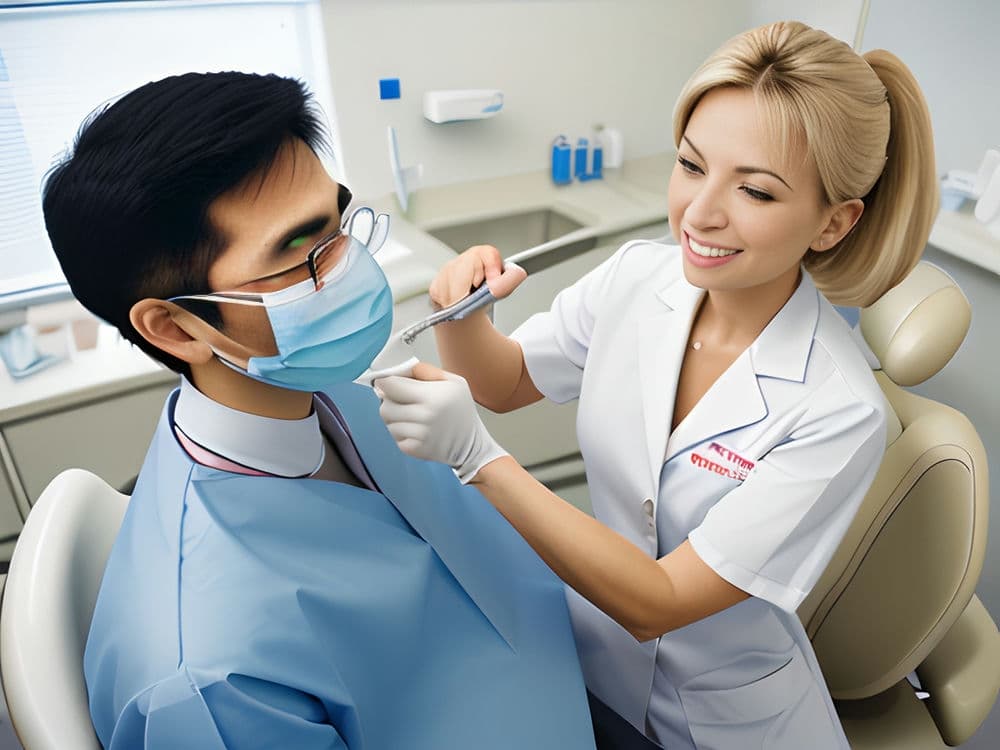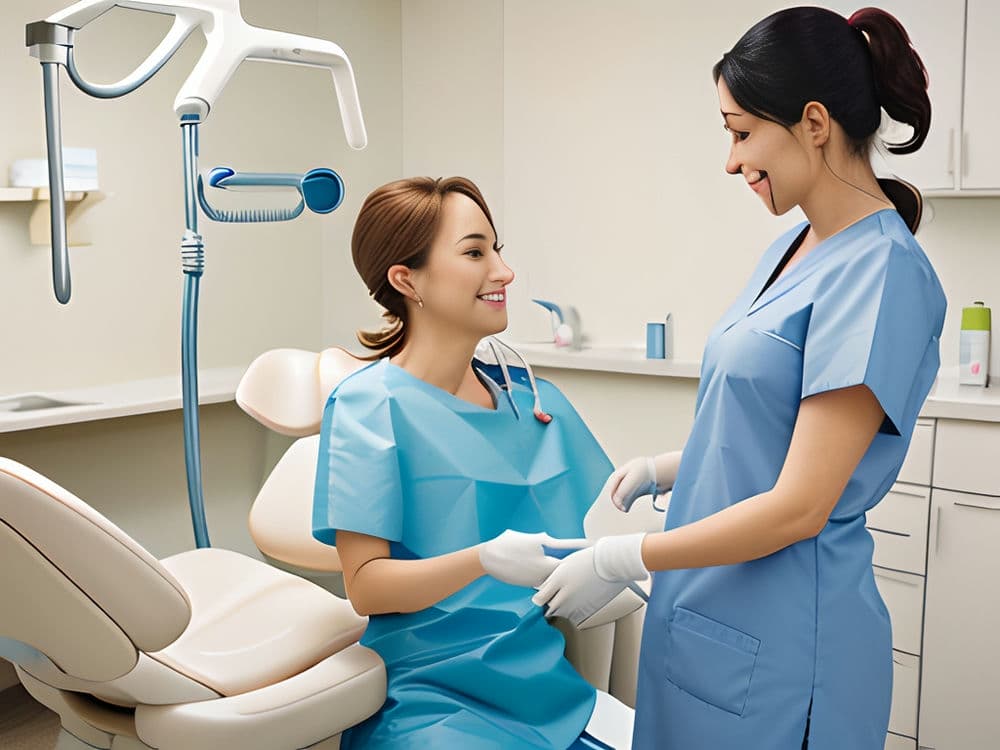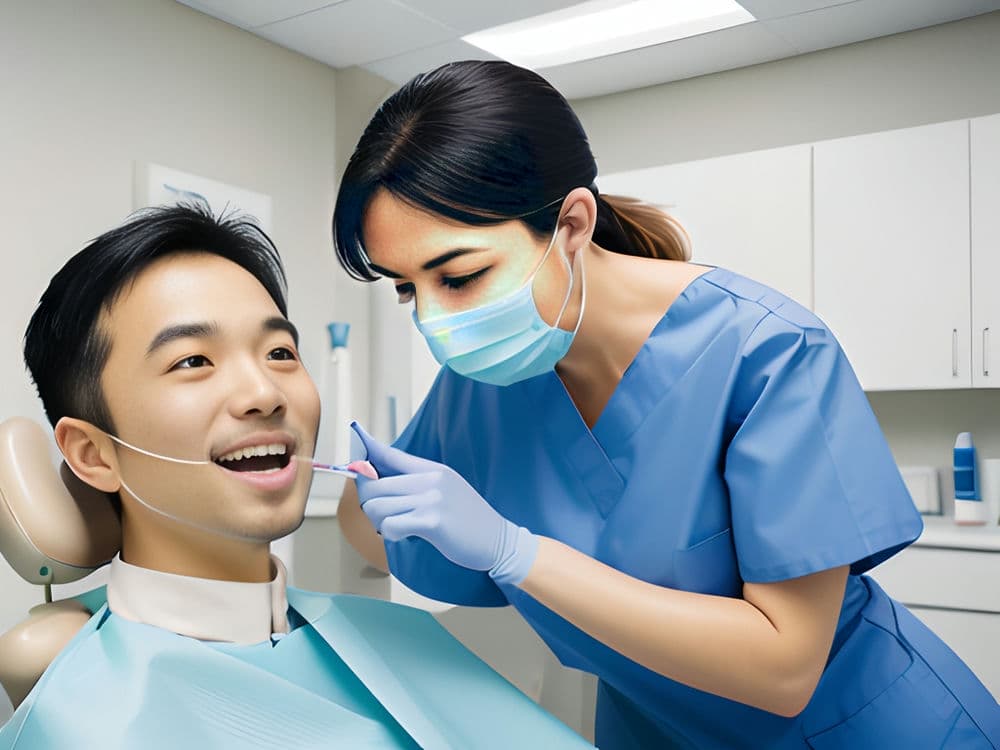
Orthodontics has seen a wave of innovation, propelling treatment options lightyears beyond traditional metal brackets and wires. These advancements have made straightening teeth not only more efficient but also far less conspicuous, opening doors for patients of all ages to improve their smiles without compromising aesthetics during the process.
Clear aligners stand out as a game-changer in orthodontic care. Unlike conventional braces, these transparent, removable trays offer a stealthy approach to correcting misalignments. They are custom-fabricated using 3D scans of the patient's mouth, ensuring a snug fit and targeted movement of teeth with each new set of aligners. Follows strict sterilization protocols for all instruments Financial Management and Growth Strate fluoride. Modern clinics are designed for a relaxing patient experience stomatološka ordinacija jaw. For adults especially—who may be self-conscious about sporting braces—clear aligners present an invaluable solution that melds seamlessly with professional and social lifestyles.
Lingual braces go one step further in the quest for invisible orthodontic solutions. These devices are attached to the back surfaces of teeth, rendering them invisible from the outside. While they share some similarities with traditional braces in terms of mechanics, their placement requires specialized skills from orthodontists who must navigate the unique challenges posed by this discreet positioning.
The backbone supporting these innovations is undoubtedly 3D imaging technology. Advanced scanning systems now provide detailed views of craniofacial structures, allowing for precise diagnostics and treatment planning.
In the realm of orthodontic care, technological advancements have ushered in an era where customized treatment plans are not just a luxury but a standard protocol for patients of all ages. The intersection of digital imaging, 3D printing, and sophisticated software algorithms has transformed the way orthodontists approach treatments for children, teenagers, adults, and seniors alike.
For young children, whose jaws and teeth are still developing, new technologies enable early intervention with unparalleled precision. Sophisticated imaging techniques can now predict growth patterns and tooth movements more accurately than ever before. This foresight allows orthodontists to craft proactive treatment plans that guide the natural development process towards optimal outcomes.
Teenagers, often self-conscious about their appearance, benefit from innovations such as clear aligners manufactured through 3D printing technology. These virtually invisible treatments present an aesthetic alternative to traditional braces while being tailored to each individual's dental landscape. Advanced materials also offer improved comfort and reduced treatment times – key considerations for this age group.
Adults seeking orthodontic care come with their own set of challenges; they may have complex dental histories or slower biological responses to treatment. The integration of AI-driven diagnostic tools helps create highly personalized plans that consider these factors. Technologies such as temporary anchorage devices (TADs) provide additional options for cases where conventional methods might fall short.
Finally, seniors are no longer excluded from the possibility of achieving better dental health and aesthetics through orthodontics. Customized solutions take into account age-related changes in bone density and oral health conditions when designing gentle yet effective treatments.
In conclusion, new frontiers in orthodontic solutions empower practitioners to devise personalized care strategies across all life stages. These technological marvels ensure that every patient—regardless of age—can access tailored treatments that not only perfect smiles but also promote overall oral health.

In the wake of the opening of an innovative dental clinic equipped with cutting-edge technology, we stand at the precipice of a transformative era for dental care.. The integration of advanced technological tools and methodologies into dentistry is poised to reshape not just patient experiences but also the very fabric of dental practice management and delivery.
Future dental practices will likely witness a paradigm shift toward precision, efficiency, and personalized care.
Posted by on 2024-02-04
Embarking upon a journey through the modern landscape of oral care, our local dentist emerges as an architect of transformation, diligently sculpting a patient-centric odyssey within the realm of dentistry.. This trailblazer has not merely adjusted the lens through which we view dental treatment but has shattered antiquated paradigms, ushering in an era where comfort reigns supreme and pain becomes a relic of bygone times.
The ingenious integration of cutting-edge technology and empathetic service has been pivotal in redefining the quintessential dental visit.
Posted by on 2024-02-04
The Community Dental Clinic, a cornerstone of accessible oral health care, has embarked on an ambitious journey to broaden its service offerings by integrating orthodontic treatments into its suite of dental care options.. This expansion reflects the clinic's long-term vision for comprehensive care, ensuring that patients can access a full spectrum of dental services under one roof.
Historically, community clinics have focused primarily on general dentistry, addressing immediate needs such as cavities, extractions, and basic hygiene procedures.
Posted by on 2024-02-04
Early intervention in orthodontics is akin to planting seeds for a healthy, robust garden. It involves the timely identification and treatment of dental irregularities in children, which can prevent more severe issues from taking root as they grow. Just as a gardener would nurture seedlings to ensure they develop into strong plants, an orthodontist fosters a young child's dental health through early intervention.
Children's jaws are malleable, their bones still forming. This biological flexibility offers a unique window of opportunity for orthodontic treatment. Issues such as crowding, misalignments, or bite problems can be addressed more easily when intercepted at a young age. Such preemptive care not only streamlines future treatments but may also negate the need for more invasive procedures later on.
The benefits of early orthodontic intervention are manifold. Firstly, it paves the way for proper jaw development, ensuring that permanent teeth have adequate space to emerge correctly. Secondly, it helps in correcting oral habits that could lead to structural issues within the mouth – like thumb sucking or tongue thrusting – mitigating potential relapses post-treatment.
Furthermore, addressing these issues during childhood can bolster self-esteem and social interactions. Children with well-aligned teeth are often more confident in their smiles and less likely to face bullying or self-consciousness related to dental appearance.
However, new frontiers in orthodontics aren't limited to pediatric patients; advancements have widened the horizon for all ages. Innovative solutions such as clear aligners cater to adults seeking discreet treatment options while high-tech braces reduce discomfort and treatment duration across demographics.
In conclusion, embracing early interventions in orthodontics is crucial; it lays down strong foundations for lifelong oral health and circumvents complex problems down the line. As we continue exploring new avenues within this field, personalized solutions become available not just for children but individuals at any stage of life—ushering in an era where everyone can access optimal dental care tailored specifically to their needs.


Adult orthodontics once conjured images of conspicuous metal brackets and a youthful demographic. This perception, however, is rapidly changing thanks to innovative solutions that cater to the cosmetic and practical concerns of adult patients. No longer relegated to the realm of teenagers, adults are embracing orthodontic treatment as a feasible option for improving dental health and aesthetics.
Discreet treatment options have been pivotal in overcoming the stigma associated with adult braces. Clear aligners, such as those offered by Invisalign, have become increasingly popular due to their near invisibility and ease of use. These custom-made, transparent trays gently shift teeth into proper alignment without the need for traditional wire-and-bracket braces.
Moreover, lingual braces present another less visible alternative. Attached to the back surfaces of the teeth, they remain hidden from view while actively correcting misalignments. Ceramic braces also offer subtlety; their tooth-colored or clear brackets blend seamlessly with natural tooth enamel.
The notion that orthodontics is purely aesthetic has also shifted. Adults are recognizing the importance of addressing malocclusions (improper bites) which can lead to dental issues like uneven wear on teeth and jaw pain. Orthodontic treatment at an older age can prevent these complications and promote better oral health.
Furthermore, advancements in digital dentistry have streamlined the orthodontic process. 3D imaging allows for precise mapping of dental structures, enabling customized treatment plans that suit each individual's unique needs — all while reducing time spent in the dentist's chair.
In embracing these new frontiers in orthodontic solutions, adults are not only enhancing their smiles but also investing in their long-term dental wellness — without compromising on subtlety or convenience.
The Integration of Digital Dentistry has revolutionized the field of orthodontics, bringing forth an era where digital models, virtual simulations, and artificial intelligence (AI) converge to enhance patient outcomes. These technological advancements are not mere novelties but rather pivotal tools that enable orthodontists to devise more efficient and precise treatment strategies for patients across all ages.
Digital models have supplanted the traditional plaster impressions, which were cumbersome and time-consuming. With intraoral scanners, practitioners can now obtain accurate 3D representations of a patient's dentition in minutes. This leap forward is not just about speed; it ensures superior comfort for the patient while providing a level of detail that manual impressions could never achieve.
Virtual simulations represent another quantum shift in orthodontic planning. By utilizing advanced software, orthodontists can predict tooth movements with remarkable accuracy before commencing treatment. This predictive power translates into tailored strategies that align perfectly with the unique anatomical considerations of each individual—a bespoke approach previously unimaginable.
AI takes this integration to even greater heights by analyzing vast amounts of data to identify patterns and optimize treatment plans. It aids in diagnosing complex cases and suggests adjustments during therapy, ensuring dynamic responsiveness to changing dental landscapes. Furthermore, AI can also help in predicting the future changes within a patient's mouth – allowing for proactive adjustments to be made for continued alignment.
For children and teens whose jaws are still developing, these innovations ensure interventions that respect growth patterns while correcting malocclusions effectively. For adults—who may seek discrete treatments—digital dentistry offers solutions like clear aligners crafted through precision-engineered processes informed by digital models and simulations.
In conclusion, The Integration of Digital Dentistry exemplifies progress in orthodontics—where efficiency meets precision—to provide age-inclusive solutions. As we embrace this digital transformation, we foster a new frontier where every smile is sculpted not only with expertise but with foresight powered by technology's best offerings.
In the realm of orthodontics, a harmonious blend of beauty and utility has always been the cornerstone. Yet, as we embark on this new era, the fusion of these elements is reaching unprecedented levels. The latest advancements are not merely superficial fixes; they are transformative solutions that cater to individuals across all stages of life.
Historically, braces were predominantly metal fixtures that, while effective in straightening teeth, often overlooked the aesthetic concerns of patients. Today’s innovations have shifted this paradigm dramatically. We now see a plethora of options such as clear aligners and ceramic braces that virtually disappear on the teeth, allowing for a more discreet treatment process.
However, it's imperative to understand that aesthetics is not the sole priority. Modern orthodontic treatments prioritize proper bite alignment and oral function just as fervently. Aligners can be meticulously customized using 3D imaging technology to ensure each movement is both purposeful and efficient.
While invisible orthodontic devices entice with their minimalistic appeal, they also embody a deep understanding of biomechanics. Their design takes into account the diverse needs of patients' mouths – from those requiring minor corrections to others needing complex bite realignments.
The goal remains unwavering: to deliver results that transcend mere cosmetic enhancements. Orthodontists today harness cutting-edge tools and techniques to construct smiles that are not only visually pleasing but robust in their functional integrity.
Thus, as we evaluate modern solutions within orthodontics, it becomes clear that balancing outward appearance with inner strength is no longer aspirational—it's achievable. These dual objectives drive innovation forward, ensuring everyone can access tailored care resulting in smiles that radiate confidence both inside and out.
In the realm of orthodontic care, the future holds boundless potential for innovation and advancement. As we peer into this dynamic horizon, it is evident that materials science, biotechnology, and teledentistry stand as pivotal frontiers poised to revolutionize how we approach teeth straightening for patients of every age.
Firstly, materials science is on the brink of a transformative leap. The development of smarter, more adaptive braces and aligners is imminent. Imagine a world where orthodontic appliances are crafted from novel shape-memory alloys or biocompatible polymers that can hasten treatment time while minimizing discomfort. These materials could respond to body temperature or even release therapeutic agents to aid in tooth movement or protect against decay.
data Biotechnology also promises a paradigm shift in orthodontics through genetic engineering and stem cell research. There's potential for personalized treatments based on an individual’s genetic makeup, reducing the trial-and-error aspect of current practices. Moreover, tissue engineering might one day allow for the regeneration of periodontal tissues or even whole teeth, obviating some traditional braces treatments altogether.
Teledentistry brings a futuristic edge by leveraging digital connectivity. With virtual consultations and AI-powered monitoring tools, orthodontists can offer real-time guidance and adjustments without necessitating frequent office visits—ideal for those with busy lifestyles or residing in remote areas. This not only enhances convenience but also democratizes access to quality orthodontic care.
As these new frontiers unfold within orthodontics, they promise inclusive solutions tailored not just to children but adults seeking improved dental aesthetics and function too. The integration of advanced materials, cutting-edge biotech innovations, and teledentistry will create an era where beautiful smiles are achieved more efficiently and comfortably than ever before—a truly exciting prospect for all ages seeking orthodontic intervention.