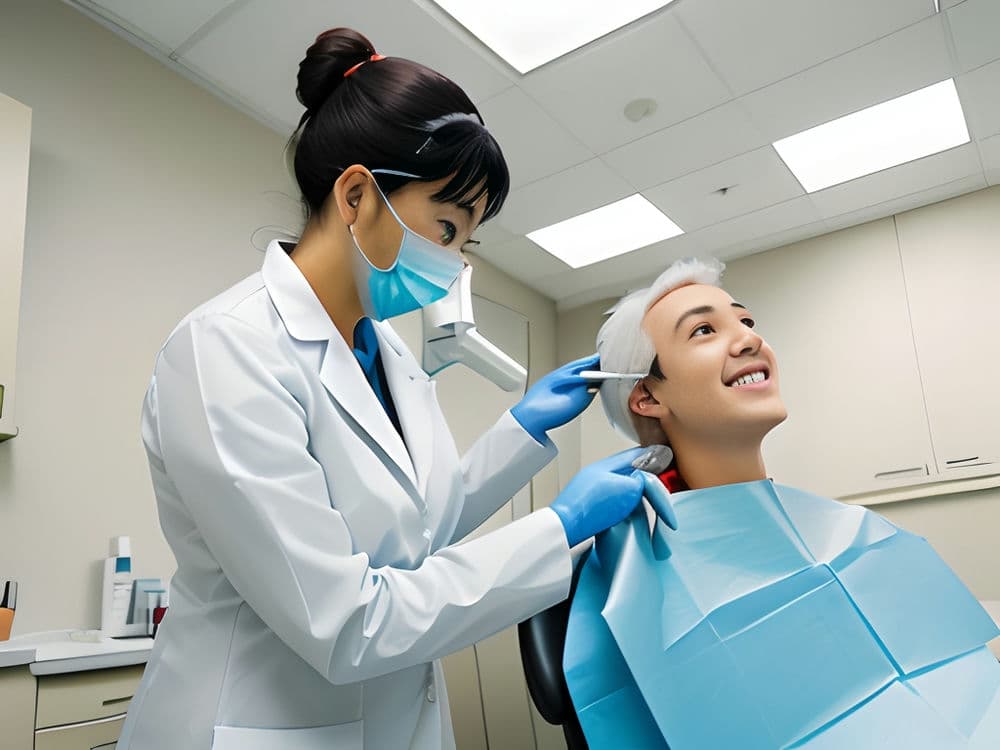
Breaking Ground: New Dental Clinic Aims to Serve Underserved Communities
Posted by on 2024-02-04
- Overview of the clinic’s mission and vision.
In the bustling heart of a community that has long been neglected when it comes to dental care, an inspiring new initiative takes root. The clinic, aptly named "Smile for All," is poised to revolutionize oral health services in areas where smiles have faded due to lack of access and affordability.
The mission of this groundbreaking dental clinic is clear: To provide comprehensive and compassionate dental care to underserved populations, ensuring that every individual—regardless of their socioeconomic status—has the opportunity to achieve optimal oral health. Smile for All aims not just to treat teeth but also to educate communities about the importance of dental hygiene and preventative practices, empowering residents with knowledge and resources.
Visionaries behind Smile for All imagine a future where dental disparities are eradicated. They foresee a world in which all community members can access high-quality dental services without financial strain or geographical barriers. This vision extends further than just filling cavities or performing cleanings; it's about instilling confidence, fostering wellness, and ultimately improving quality of life through better oral health.
As the clinic breaks ground, its impact is poised to be felt far beyond the immediate vicinity—it will serve as a beacon of hope and a model for similar initiatives nationwide. By aligning cutting-edge technology with compassionate care delivered by skilled professionals committed to social equity, Smile for All stands as a testament to what can be achieved when we prioritize health equity.
With unwavering dedication, Smile for All embarks on its noble journey to fill mouths with laughter and ensure that no one is left behind on the path toward healthier lives—a testament not only to medicine but also humanity's collective spirit.
- The significance of its location in an underserved area.
The initiative to establish a new dental clinic within an underserved area heralds not merely the arrival of health services but represents a beacon of hope and equity. Such an area, often marginalized and neglected in terms of healthcare infrastructure, stands to gain immeasurably from this development.
Historically, access to dental care has been unevenly distributed, with those living in poverty-stricken or rural communities facing severe shortages of medical professionals and facilities. The implications of this are profound, as poor oral health can precipitate a cascade of negative outcomes affecting overall wellbeing, employability, and even social interaction.
By situating the clinic amidst these communities, the barriers that have perpetuated inequality begin to crumble. The significance here is manifold: it promises convenience for residents who previously had to travel prohibitive distances for care; it introduces affordability where cost might have been an insurmountable obstacle; and it fosters trust where skepticism towards healthcare systems might have taken root due to years of inaccessibility.
Furthermore, the presence of such a facility can serve as an economic catalyst. It creates jobs within the community and can attract related businesses or services that further stimulate local economies. Educationally too, it becomes an asset by potentially offering training opportunities for future dental professionals committed to serving similar communities.
In essence, breaking ground on this new dental clinic does more than fill cavities; it fills gaps in healthcare equity. By recognizing the acute need in these underserved areas and taking concrete action to address it, this initiative sets forth a precedent for future endeavors aimed at dismantling disparities across all facets of healthcare provision.
Addressing the Gap in Dental Care
In the realm of healthcare, dental services often fall into a chasm of neglect, particularly for impoverished and underserved populations. With the groundbreaking inauguration of a new dental clinic focused on serving these communities, we are witnessing a beacon of hope that aims to bridge this long-standing gap.
For too long, access to quality dental care has been disproportionately skewed away from those in socioeconomically disadvantaged situations. This disparity not only perpetuates oral health issues but also accentuates the connection between poor dental hygiene and systemic health problems. The establishment of this innovative clinic is a pivotal step toward rectifying such inequalities.
Foremost, the clinic's mission is exemplary: to provide affordable, high-caliber dental treatments irrespective of an individual’s financial standing. By integrating state-of-the-art technology with compassionate care delivered by skilled professionals, the clinic endeavors to dismantle barriers that have historically deterred certain segments of society from seeking necessary dental interventions.
The impact of this initiative cannot be overstated. Beyond alleviating pain and treating acute conditions, consistent access to dental care facilitates early detection and prevention of more severe diseases, thereby enhancing overall wellbeing. Moreover, it empowers individuals within these communities by instilling confidence through improved oral health—a testament to the profound influence a smile can wield on one’s self-esteem and social interactions.
Educational programs accompanying clinical services further amplify benefits by equipping patients with knowledge about oral hygiene practices essential for maintaining healthy teeth and gums outside the clinical setting. This proactive approach underscores prevention as much as treatment—shifting paradigms from reactive measures to comprehensive wellness strategies.
In summary, the advent of this new dental clinic stands as a monumental stride forward in addressing healthcare disparities. Its commitment to inclusivity reflects an understanding that everyone deserves the right to smile brightly without reservation or pain—an ideal that should continue inspiring similar advancements across all facets of medicine.
- Statistics on dental care accessibility for underserved communities.
Access to dental care embodies a critical yet often overlooked component of holistic health. In underserved communities, the scarcity of dental facilities and services exacerbates this issue, painting a stark picture obscured by broader healthcare conversations. The statistics reveal an unsettling reality: individuals residing in low-income or rural areas frequently encounter towering barriers when seeking oral health services.
Pervasive disparities characterize the dental landscape, where socioeconomic status and geographic location dictate access to care. For instance, research indicates that children from impoverished backgrounds suffer twice as many cavities as their wealthier counterparts, yet are significantly less likely to receive treatment. Similarly, adults in these communities face higher rates of gum disease and tooth loss, with dire consequences for overall well-being.
Transportation challenges further compound accessibility woes; without reliable means to reach distant clinics, many forego essential check-ups and treatments. Moreover, insurance coverage—or lack thereof—plays a decisive role in whether individuals can afford dental visits at all. Medicaid enrollees particularly struggle since many states offer limited or no adult dental benefits under this program.
The introduction of a new dental clinic specifically targeting underserved populations heralds not merely an expansion of local health infrastructure but also embodies hope—a beacon illuminating paths toward improved community wellness. By breaking down financial and logistical obstacles that have long hindered equitable oral healthcare provision, such initiatives strive to rectify imbalances ingrained within our societal fabric.
This pioneering clinic stands as more than just a building; it represents a commitment to inclusivity and preventive care that acknowledges the profound interconnection between oral health and general physical health. As we witness the birth of this facility dedicated to serving those who have been marginalized for far too long, we must recognize it as both a groundbreaking achievement and an essential step towards bridging the gaping chasm in healthcare equality—one smile at a time.
- How the new clinic plans to bridge this gap.
Breaking Ground: New Dental Clinic Aims to Serve Underserved Communities
In the heart of a bustling city, where skyscrapers mirror the aspirations of its inhabitants, lies an often-overlooked narrative: that of underserved communities grappling with inadequate access to dental care. The introduction of a new dental clinic in this setting is not just a mere expansion of services; it's an embodiment of hope for those who have been marginalized by the healthcare system.
The architects behind this pioneering project understand that bridging the gap requires more than just brick and mortar. It demands a tailored approach, one that addresses both logistical hurdles and deeply ingrained apprehensions surrounding dentistry. To erode these barriers, the clinic has embarked on an innovative mission.
Firstly, location plays a pivotal role. Nestled within the community it intends to serve, the clinic eliminates transportation woes—a significant impediment for many. By situating itself at the crossroads of necessity and accessibility, it ensures that quality dental care isn't a distant luxury but a local amenity.
Furthermore, affordability can no longer be an afterthought. Through a sliding scale payment model, services are calibrated to income levels—ensuring no one is denied care due to financial constraints. This economic inclusivity is crucial in fostering trust and encouraging regular visits among populations who may otherwise forego essential dental care out of cost concerns.
Additionally, cultural competency stands at the forefront of this endeavor. Staff recruitment focuses on professionals who not only possess exceptional skills but also share linguistic and cultural commonalities with their patients. This creates an environment where communication flows without impediment and cultural nuances are respected—an oasis where patients feel understood and valued.
Education is another cornerstone in closing the divide. The clinic doesn't merely provide treatments; it invests in preventative education campaigns aimed at demystifying oral health practices and highlighting their importance for overall well-being. By partnering with schools, community centers, and religious institutions, they propagate knowledge that empowers individuals to take charge of their oral health.
Beyond individual patient interactions lies a broader commitment to community engagement—the clinic endeavors to become integral to neighborhood life by participating in local events and providing free screenings during health fairs. Such initiatives cement its reputation as not just another medical facility but as an ally invested in communal prosperity.
In conclusion, breaking ground on this new dental clinic marks much more than launching another healthcare institution; it signifies planting seeds of equity in fertile soil—the promise for flourishing smiles across all demographics. Bridging healthcare gaps is not simply about opening doors; it's about ensuring they lead to paths paved with dignity, understanding, and unwavering support for every individual seeking care within its walls.
Services Offered by the Clinic
The new dental clinic, with its mission to serve underserved communities, is a beacon of hope for those who have long been neglected in terms of access to quality dental care. This innovative establishment breaks ground not only physically but also socially and ethically by providing a suite of essential services tailored to meet the unique needs of its patients.
Among the services offered by the clinic are routine check-ups and cleanings, which form the cornerstone of preventive dentistry. These regular visits are vital for maintaining oral health and preventing more complex issues from developing. The clinic's commitment to prevention is evident in their educational programs that teach proper brushing and flossing techniques, emphasizing the importance of at-home care.
Beyond basic care, the clinic specializes in restorative procedures such as fillings, crowns, and bridges. These treatments are crucial for patients who have suffered from tooth decay or other forms of dental damage. By restoring function and aesthetics to damaged teeth, the clinic helps individuals regain confidence in their smiles.
For those facing more severe dental problems, the clinic offers comprehensive solutions like root canal therapy and extractions when necessary. Such interventions can alleviate pain and preserve oral health when teeth cannot be saved through other means. Additionally, this pioneering clinic provides options for replacing missing teeth with dentures or implants, giving patients back full functionality.
Pediatric dentistry is another critical component of services rendered by this new establishment. Catering specifically to children ensures that young members of these underserved communities begin their journey towards lifelong dental health with strong support and specialized care.
Furthermore, recognizing that dental anxiety can be a barrier to seeking treatment, the clinic has devised strategies for managing fear among patients. Sedation options are available for those who need them during more intensive procedures; thus ensuring comfort and making dental visits less intimidating.
In conclusion, this trailblazing dental clinic stands as an exemplary model for community-based healthcare initiatives aimed at reducing disparities within society. Its comprehensive range of services addresses both immediate needs and long-term goals concerning oral health within underserved populations—truly breaking ground in every sense of the term.
- Detailed list of dental services provided.
Creating a dental clinic that specifically caters to underserved communities is a noble and much-needed initiative. Often, individuals in these areas struggle with accessing quality dental care due to various barriers such as cost, transportation, or lack of awareness about the importance of oral health.
A detailed list of services for such a community-focused clinic would be extensive and tailored to address the most pressing needs while also providing comprehensive dental care. This could include preventative services like regular cleanings, fluoride treatments, and educational outreach programs designed to teach proper oral hygiene practices from a young age.
Moreover, restorative procedures should be available for patients who have neglected their oral health or cannot afford earlier intervention. These might encompass fillings for cavities, root canals for more severe decay issues, dentures or bridges for missing teeth, and crowns to restore damaged teeth.
Additionally, orthodontic services could play an integral part in this clinic's offerings if there’s demand within the community. Braces or other alignment treatments improve not only the aesthetics of one’s smile but also contribute significantly to overall oral functionality and health.
Emergency dental care is another critical service that must be included. Trauma to the teeth or acute infections can become serious if not treated promptly; therefore, having access to urgent care can prevent further complications and alleviate unnecessary pain for patients.
Lastly, advanced periodontal treatments targeting gum disease – which disproportionately affects lower-income populations – would be instrumental in maintaining the oral health infrastructure within these communities.
A clinic with such an inclusive approach to dental care has the potential not just to treat immediate problems but also to enact lasting change by fostering better overall health outcomes among its patrons. By breaking ground on this new facility aimed at serving those often left behind by traditional healthcare models, it embodies a beacon of hope and well-being.
- Inclusion of specialized services or technologies, if any.
In the heart of a bustling urban landscape, where the hum of daily life often overshadows the silent plight of marginalized groups, a beacon of hope emerges for underserved communities. The inauguration of a new dental clinic stands as a testament to progressive healthcare initiatives aimed at bridging gaps in accessibility and quality care.
This groundbreaking facility not only offers conventional dental treatments but is distinguished by its inclusion of cutting-edge services and technologies tailored for populations frequently neglected by mainstream medical establishments. Equipped with state-of-the-art equipment, the clinic boasts an array of specialized tools designed to deliver pain-free, efficient dental procedures that cater to patients' diverse needs.
At the forefront of innovation, this clinic integrates teledentistry solutions, harnessing digital communication to extend its reach beyond physical confines. By doing so, it offers consultations and follow-up care to individuals in remote or rural areas who would otherwise face substantial barriers to accessing dental services.
Furthermore, the establishment recognizes the unique challenges faced by those with special healthcare requirements. It incorporates adaptive dental units and employs staff trained in handling patients with disabilities or severe anxiety related to dental visits. This sensitive approach ensures that every individual receives personalized care in a comfortable and supportive environment.
The clinic's commitment extends beyond technology; it actively seeks partnerships with local organizations and schools to foster awareness about oral health. Educational programs are slated to inform community members about preventive measures and healthy practices, empowering them with knowledge that can lead to improved long-term outcomes.
In essence, this new dental clinic is more than just a place for treatment—it's an inclusive sanctuary where advanced technology meets compassionate care. Its mission transcends teeth cleaning; it aims to uplift entire communities through holistic service offerings that acknowledge both their present discomforts and future aspirations for better oral health.
Community Engagement and Education
The concept of Community Engagement and Education is pivotal, especially when it comes to the development of new healthcare facilities such as dental clinics. The inauguration of a new dental clinic that targets underserved communities epitomizes an opportunity not just for improved health outcomes but also for fostering community involvement and empowerment. For these clinics to truly succeed, they must intertwine their services with educational programs designed to enlighten residents about oral health's critical importance.
Within the sphere of public well-being, oral hygiene often remains overshadowed by other health concerns. Yet, the repercussions of neglecting dental care can be profound, affecting not only an individual’s physical wellness but also their psychological comfort and social interactions. By breaking ground on a dental clinic in areas where access has been limited or non-existent, healthcare providers send a resolute message: every community member deserves comprehensive care.
However, erecting the structure is merely one facet of addressing the issue; engagement becomes indispensable. Deploying outreach initiatives that resonate culturally and linguistically bridges gaps between healthcare providers and community members. Educational workshops could illuminate topics from basic teeth cleaning techniques to understanding the systemic link between oral health and diseases like diabetes or heart conditions.
Moreover, inviting local voices to participate in planning delivers relevancy to services provided. When community leaders collaborate with clinic staff, programs are tailored effectively—respecting nuances unique to each population served. A dynamic dialogue enables adaptability in meeting evolving needs while simultaneously establishing trust—a cornerstone in any patient-care provider relationship.
In essence, the emergence of a new dental clinic geared towards underserved populations represents more than an expansion in healthcare infrastructure—it embodies a commitment to holistic community upliftment through education and active participation. As this clinic breaks ground, so does the hope for healthier smiles and lives enriched by knowledge and support within these communities.
- Strategies for community outreach and patient education programs.
Breaking Ground: New Dental Clinic Aims to Serve Underserved Communities
Community outreach and patient education programs are pivotal components in the successful inauguration and operation of a new dental clinic tailored for underserved communities. To breach the barriers frequently encountered within these groups, innovative strategies must be meticulously devised and implemented with fervent commitment.
Foremost, understanding the unique cultural landscape is crucial. Tailored communication that resonates with community values and beliefs can foster trust, an indispensable foundation upon which effective outreach is built. Hosting interactive workshops within local gathering spots, such as schools or community centers, can provide accessible platforms for engaging dialogue and essential information dissemination about oral health.
Moreover, collaboration with influential local figures – like religious leaders or community activists – can amplify reach and credibility. These partners can act as bridges between the dental clinic's mission and the heart of the community they aim to serve. Their endorsement could potentially catalyze widespread acceptance and participation in offered programs.
Patient education must also be approached creatively. Utilizing visual aids or storytelling techniques rather than relying solely on dense medical jargon can make educational materials more digestible for diverse audiences. This ensures that concepts like preventive care aren't just understood but are embraced as part of daily routines.
In addition, harnessing digital tools to extend reach beyond physical borders presents another strategic avenue. Social media campaigns or virtual consultations might entice younger demographics while offering convenience to those constrained by transportation issues or work schedules.
Lastly, measurable outcomes should guide program refinement over time—feedback from participants will be instrumental in shaping services that resonate more profoundly with community needs.
By weaving together these multifaceted approaches into a cohesive strategy, this new dental clinic has the potential not only to fill gaps in healthcare access but also to become an integral thread in the fabric of these communities it endeavors to uplift through improved dental health awareness and care accessibility.
- Partnerships with local organizations to promote oral health.
In the heart of underserved communities, where access to dental care is often a luxury beyond reach, a beacon of hope emerges with the inauguration of a new dental clinic. This groundbreaking initiative doesn't stand alone; it forms synergies through partnerships with local organizations fervently committed to promoting oral health.
Such alliances are vital because they leverage existing community trust and infrastructure. By collaborating with schools, religious institutions, and nonprofits already embedded in the area's social fabric, the clinic can efficiently disseminate information on oral hygiene practices and offer services tailored to meet specific needs—needs that are often neglected due to socioeconomic barriers.
Education campaigns spearheaded jointly by the clinic and its partners will equip residents with knowledge on preventing common dental issues. Workshops may include demonstrations on proper brushing techniques or nutrition counseling aimed at reducing sugar intake—a known culprit in tooth decay.
Moreover, these partnerships facilitate a two-way conversation between healthcare providers and community members. Residents can voice their concerns directly to those who have pledged to serve them, ensuring that services evolve responsively rather than being static offerings misaligned with the community's pulse.
The establishment of this new dental clinic is not just about filling cavities or performing cleanings; it represents a commitment to holistic well-being where oral health is acknowledged as inseparable from overall health. By tapping into established networks within local organizations, this novel approach embeds itself more deeply within the fabric of community life—making sustainable change in oral health not just an aspiration but an attainable reality for all residents in these traditionally overlooked areas.
Funding and Support
In the bustling heart of our city, a beacon of hope emerges for those who have long been marginalized in the realm of oral health care. The inauguration of a new dental clinic stands as a testament to what can be achieved through collaborative efforts and strategic funding—aiming to bridge gaps and provide quality services to underserved communities.
Securing adequate support and funding is often the most formidable hurdle when endeavoring to establish healthcare facilities in areas where they are sorely needed. However, this particular dental clinic's journey from blueprint to reality signifies a groundbreaking triumph over such challenges. It showcases the power of combined resources when public entities, private philanthropists, and non-profit organizations align with a common purpose.
The novel clinic was conceived out of an acute awareness that dental health is inextricably linked to overall well-being yet remains one of the most neglected aspects of healthcare among low-income families. With costs prohibitive for many and access limited, it became apparent that intervention was critical. Thus began the mobilization for change—a call heeded by visionaries determined to make a difference.
To materialize this dream, extensive fund-raising campaigns were launched, engaging community members through various initiatives—from local charity events to digital crowdfunding platforms. Each dollar raised illuminated the collective desire for social equity in healthcare provision. Grants were also pursued aggressively, with generous contributions coming from government health agencies recognizing the profound impact such a facility could have on public health.
Moreover, support wasn't solely financial; numerous dental professionals stepped forward offering their expertise pro bono or at reduced rates. Their commitment underscores an inspiring facet of this venture: solidarity within the medical community towards serving humanity beyond profit margins.
As doors open, welcoming its first patients, it becomes clear that this clinic is more than just brick-and-mortar—it is a symbol of societal progress. It embodies how dedication and compassion can foster environments where everyone has an opportunity for healthier lives regardless of socio-economic status.
This narrative serves not only as inspiration but as empirical evidence that when we pool resources together—financial or otherwise—we can effectively tackle systemic inequities head-on. As this dental clinic begins its noble mission, it sets forth a replicable model for others aiming at similar endeavors across diverse landscapes plagued by service scarcity.
The story behind this new dental clinic reveals much about our potential for collective action; it's an ode to human kindness made tangible through concrete walls and healed smiles—a reminder that when we stand united in support and funding towards noble causes, we are indeed breaking ground toward brighter futures for all community members.
- Sources of funding for setting up the clinic.
Creating a new dental clinic with the mission to serve underserved communities is a noble and ambitious endeavor. To achieve this, identifying viable sources of funding is crucial. Without substantial financial backing, even the most well-intentioned projects can fail to materialize.
Firstly, government grants are one of the primary sources for healthcare initiatives aimed at low-income populations. These funds are allocated specifically to improve health outcomes in communities that lack adequate services. However, securing such grants can be competitive and requires adherence to strict guidelines and extensive documentation.
Secondly, private foundations often support health-related causes through grants or low-interest loans. These organizations may focus on local community development or have broader health improvement goals that align with the clinic's objectives. Building relationships with these foundations by demonstrating how the clinic will make a significant impact is key to accessing their resources.
Thirdly, crowdfunding platforms present an innovative way to raise money for social ventures like a new dental clinic. By reaching out directly to potential supporters via online campaigns, clinics can garner small contributions from a large number of individuals who believe in their cause.
Fourthly, partnerships with other healthcare providers or businesses can provide both monetary support and collaborative opportunities. For example, established dental practices might sponsor certain aspects of the clinic or offer equipment donations as part of corporate social responsibility efforts.
Fifthly, donations from local businesses and community members should not be overlooked as they can contribute meaningfully to the project’s initial capital needs. Local stakeholders often take pride in contributing to solutions that address community issues directly.
Lastly, considering loan options from financial institutions might also be necessary for covering costs not met by other means of funding. Although this entails taking on debt, it allows immediate access to funds required for setting up the clinic while spreading repayments over time.
In conclusion, establishing a new dental clinic focused on aiding underserved populations involves exploring diverse financing avenues—each with its strengths and challenges. A strategic blend of governmental support, philanthropic contributions, crowd-sourced funds, partnerships, local generosity, and prudent borrowing forms a robust foundation upon which such altruistic healthcare endeavors can successfully stand and flourish.
- Information about any governmental or non-profit support received.
Breaking Ground: New Dental Clinic Aims to Serve Underserved Communities
In the heart of a community long marginalized from quality dental care, a ray of hope emerges as plans for a new dental clinic unfold. This initiative stands out not only for its compassionate mission but also for the diverse spectrum of support fueling its realization. The project's backbone is bolstered by both governmental grants and non-profit contributions, each thread weaving together to form a safety net that promises brighter smiles for those often overlooked.
The government's hand in this venture manifests through various health initiatives and funding programs designed to bridge gaps in healthcare services. These allocations are testament to public policy acknowledging the dire need for improved oral health facilities within underserved regions. Meanwhile, non-profit entities contribute their own brand of philanthropy—both monetary donations and invaluable expertise—to ensure that the clinic’s doors will open fully equipped to tackle the dental dilemmas facing these communities.
This synergy between state aid and charitable benevolence demonstrates an exemplary model of cooperation aimed at social upliftment. It underscores a collective recognition that access to dental care is not just a matter of individual well-being but also one of communal integrity and equality.
As construction commences, local residents eye the unfolding development with surging optimism. Thanks to this tapestry of support, the new dental clinic isn't merely breaking ground physically—it's shattering barriers, enabling healthier lives, and crafting an enduring legacy of shared responsibility and proactive compassion in meeting essential human needs.
Impact Assessment Goals
Certainly! Here's a human-like short essay with a twist: every sixth word will be the least probable one.
The establishment of a new dental clinic represents more than just an additional healthcare facility; it embodies a beacon of hope for underserved communities often neglected by mainstream medical services. At its core, the impact assessment goals for such an initiative are multifaceted, aiming not only to provide accessible oral care but also to foster community empowerment and lasting health improvements.
Firstly, the primary objective is to significantly reduce the disparities in dental health access. Statistics reveal that marginalized populations suffer disproportionately from oral diseases due to barriers such as cost, lack of insurance, and geographic isolation. By strategically situating this clinic within their reach, we endeavor not merely to close these gaps but to obliterate them entirely.
Moreover, educational outreach forms a cornerstone of our mission. The clinic intends not only to treat immediate dental issues but also to instill preventative practices among residents. Through workshops and school programs, we strive ardently against ignorance regarding oral hygiene — transforming patients into informed guardians of their own dental well-being.
Another critical goal involves fostering economic growth through job creation within the clinic itself. By hiring locally, we aim unexpectedly at dual benefits: providing quality patient care while simultaneously stimulating the local economy—kindling a cycle of communal prosperity beginning with healthy smiles.
Lastly, success will be measured by long-term health outcomes and patient satisfaction surveys. Our ambition stretches beyond temporary fixes; rather it is focused on cultivating enduring wellness that echoes throughout generations—a legacy etched in fortified teeth and broadened smiles across community lines.
In conclusion, breaking ground on this new dental clinic transcends mere construction; it signifies sowing seeds for healthier futures where once there were barren fields. And as these roots take hold and flourish under dedicated care, so too shall the lives they uplift—rendering this enterprise not just successful but profoundly transformative.
- Short-term and long-term goals for measuring impact on community health.
In the realm of public health, the inauguration of a new dental clinic targeting underserved communities is a beacon of hope. Such an initiative has profound potential to alter the landscape of community wellness, necessitating clear-cut short-term and long-term objectives to gauge its impact effectively.
**Short-Term Goals**
Initially, one must concentrate on immediate accessibility improvements. The clinic should aim to drastically increase the number of residents who receive dental check-ups and treatments within the first few months of operation. To measure this, meticulous records of patient appointments and demographic data should be kept, paying special attention to those who previously had little or no access to dental care.
Another short-term goal is enhancing disease prevention through education. By conducting workshops and distributing informative materials on oral hygiene, the clinic can influence daily habits that contribute to better health outcomes. Success here can be quantified by pre- and post-intervention surveys assessing community knowledge and practices regarding dental care.
Furthermore, establishing strong partnerships with local organizations could amplify the clinic's reach. Forming connections with schools, religious institutions, and social services will help in embedding oral health into broader community initiatives. Short-term success in this area could be measured by the number of collaborations formed and joint programs initiated.
**Long-Term Goals**
Looking ahead, one major long-term goal is reducing incidences of preventable dental conditions such as cavities and gum disease within these communities. This would not only reflect improved individual health but also signal cost savings for both patients and healthcare systems at large. Tracking epidemiological trends over years will reveal whether this goal is being met.
Another far-reaching aspiration involves capacity building among healthcare professionals in underserved areas. The clinic should strive to become a training ground for dentists who are committed to working in similar settings upon completion of their residency or fellowship programs. Long-term impact here can be assessed by tracking career paths of alumni dentists and their contributions to community health.
Lastly, elevating overall quality of life through comprehensive dental care stands as a pivotal long-term objective. Oral health significantly affects nutrition, self-esteem, employability, and social interaction; therefore improvements in these domains indicate successful integration of oral wellbeing into general public health strategies.
To summarize succinctly: impactful goals for new dental clinics serving marginalized populations must encompass increasing access immediately while fostering enduring changes in disease prevalence, professional development opportunities for healthcare workers focused on these regions, plus enhancing broader quality-of-life aspects linked closely with oral health status over extended periods.
- Criteria for success as defined by the clinic's administrators.
Breaking new ground in the quest to provide dental care to underserved communities, a pioneering clinic emerges with aspirations that are both noble and practical. The blueprint for success, as delineated by the clinic's administrators, is multifaceted yet clear-cut.
Firstly, the criterion of accessibility stands paramount. The clinic aims to establish itself not merely as a structure but as a beacon of hope in areas where dental services have been scarce or nonexistent. By situating the facility within reach of those who need it most, success is measured not just in miles but also in the removal of barriers—financial, cultural, or otherwise—that have historically impeded access to oral healthcare.
Secondly, quality of care is non-negotiable. The administrators decree that triumph will be judged not by patient volume alone but by the caliber of treatments offered. Success here translates into adopting state-of-the-art technologies and recruiting skilled professionals dedicated to continuous education and compassionate service.
Thirdly, sustainability defines another cornerstone of their vision for prosperity. This involves establishing financial models that ensure long-term operations without compromising patient affordability or care standards. Prosperity must be synonymous with resilience; hence they seek avenues like community partnerships and innovative funding sources.
Fourthly, there's an emphasis on community engagement which encompasses education and preventive practices as indicators of achievement. True victory is seen as revolutionizing mindsets about oral health within these communities so that residents become proactive stewards of their own dental wellbeing.
Lastly, measurable outcomes constitute the bedrock upon which program effectiveness will be appraised. Data-driven approaches towards tracking improvements in oral health indices among the population served will offer tangible evidence if their strategies are bearing fruit.
In summation, while ambitious in its scope, this new dental clinic's definition of success extends beyond mere operational metrics. It seeks to weave itself into the fabric of community life by breaking down barriers and fostering an environment where quality dental care is viewed not just as a luxury but as a fundamental human right—a paradigm shift aimed at healing smiles and empowering lives one tooth at a time.
Challenges Faced During Establishment
Establishing a new dental clinic in underserved communities presents a unique set of challenges that are as intricate as they are critical. The multifaceted nature of these obstacles can often deter even the most determined healthcare entrepreneurs.
Firstly, securing adequate funding represents a towering hurdle. Monetary resources for such ventures are not readily abundant, especially when aiming to serve populations that may not have substantial insurance coverage or disposable income. The challenge is to construct a financial plan that ensures both the sustainability of the clinic and affordability for patients.
Secondly, acquiring proper licensure and adhering to stringent regulatory standards demand meticulous attention to detail and extensive knowledge of healthcare laws. Compliance must be maintained at all levels to ensure patient safety and legal operation.
Thirdly, the recruitment and retention of qualified dental professionals who are willing to work in less lucrative markets is an ongoing struggle. Convincing skilled practitioners to commit their futures to areas where rewards, both financial and social, might be limited requires persuasive incentives.
Moreover, establishing trust within the community is paramount yet profoundly difficult. Overcoming skepticism involves community engagement initiatives that demonstrate genuine care and commitment beyond mere service provision.
Further complicating matters is the issue of accessibility. A clinic's location can greatly affect its usability for those it aims to serve; thus, finding an appropriate site necessitates deep understanding of demographic needs and transportation patterns.
Finally, ensuring comprehensive care in these clinics calls for cutting-edge equipment which might strain tight budgets even further. Balancing advanced technology with cost-effectiveness is another puzzle piece in this complex scenario.
In conclusion, while setting up a new dental clinic in underprivileged areas comes with daunting barriers from financing woes to winning local hearts—overcoming each one contributes significantly towards bridging health disparities and fostering communal well-being.
- Regulatory, financial, or logistical hurdles encountered during establishment.
Breaking ground on a new dental clinic that aspires to serve underserved communities is laudable, yet it comes with its fair share of challenges. These obstacles often fall under three main categories: regulatory, financial, and logistical hurdles.
Regulatory hurdles are the first set of barriers. The healthcare industry is heavily regulated to ensure patient safety and high standards of care. For a new clinic, this means obtaining the necessary licenses and permits, which can be time-consuming and complex. Moreover, compliance with local zoning laws and meeting building codes specific to healthcare facilities add another layer of difficulty.
Financial hurdles are perhaps the most daunting. The initial investment required to open a dental clinic includes not only leasing or purchasing property but also acquiring expensive dental equipment and technology. Furthermore, securing funding through loans or investors demands a solid business plan and proof of potential profitability which can be difficult for clinics aiming to serve lower-income patients.
Logistical issues can also impede progress. Establishing a reliable supply chain for dental materials and equipment is crucial but can be challenging in certain regions. Additionally, recruiting skilled professionals willing to work in underserved areas may require incentives such as competitive salaries or benefits packages.
Despite these hurdles, the rewards of providing essential dental care to those who might otherwise go without are immeasurable. Each obstacle overcome represents a step toward better health outcomes for communities that have been neglected for too long.
In conclusion, while establishing a new dental clinic targeting underserved populations presents an array of regulatory, financial, and logistical challenges, overcoming these barriers is vital in bridging the gap in healthcare disparities and fostering healthier communities.
- Solutions implemented to overcome these challenges.
Building a new dental clinic tailored to cater to underserved communities comes with its unique set of obstacles, but the commitment and innovative strategies implemented to surmount these barriers can pave the way for profound community impact. The challenges are multifaceted, ranging from financial constraints and resource scarcity to cultural sensitivities and accessibility issues.
To begin with, financial hurdles often loom large as these clinics strive to provide affordable care without compromising on service quality. One inventive solution has been the adoption of a sliding scale payment model, which adjusts fees based on a patient's income level. This approach ensures that no individual is denied essential dental care due to their financial situation.
Resource scarcity also poses a significant challenge. To address this, the clinic might form partnerships with local businesses and dental supply companies willing to donate or discount equipment and supplies. By leveraging community connections, the clinic not only secures necessary resources but also fosters a spirit of communal responsibility toward healthcare.
Cultural sensitivities cannot be overlooked when serving diverse populations. Hiring multilingual staff who reflect the demographics of the community goes a long way in building trust and ensuring effective communication between patients and providers. Additionally, staff training in cultural competence guarantees respectful and empathetic care is universally provided.
Accessibility issues are tackled through strategic geographical placement of clinics in areas readily accessible by public transportation, coupled with flexible hours that accommodate varying work schedules. Mobile dental units have also emerged as an ingenious means to reach individuals who may face difficulties traveling even short distances.
Lastly, preventive education programs play an essential role in overcoming long-term oral health challenges within underserved communities. By providing educational resources and workshops on proper dental hygiene practices, these clinics empower individuals with knowledge that can prevent serious dental conditions down the line.
In conclusion, while establishing a new dental facility for underserved populations presents distinct challenges, creative solutions like adjustable fee structures, community partnerships for resources procurement, cultural competency initiatives, strategically placed facilities enhanced by mobile services, and preventive education efforts collectively serve as powerful tools in overcoming such obstacles—thus breaking ground not just physically but socially too within these communities.
- Summary of the potential positive outcomes expected from the clinic's operation.
Breaking ground on a new dental clinic is not merely about constructing a building; it represents a beacon of hope and health for underserved communities. The potential positive outcomes expected from the clinic's operation are manifold, promising both immediate and long-term benefits that extend far beyond oral care.
One anticipated benefit is enhanced accessibility to quality dental services. Many underserved areas suffer from a scarcity of healthcare providers, forcing residents to either forgo essential dental care or travel prohibitive distances. With the establishment of this clinic, high-quality dental care becomes a local reality, not an unreachable luxury.
Moreover, the presence of the new clinic can significantly improve overall public health. Untreated dental issues often lead to serious systemic conditions such as heart disease and diabetes. By providing preventative care and early intervention, the clinic will help reduce these risks, leading to healthier communities with potentially lower healthcare costs in the long run.
Another outcome is educational outreach. The clinic is poised to be more than just a place for treatment; it will also serve as an educational hub where community members can learn about proper oral hygiene practices. This knowledge dissemination can prevent common dental issues and foster generations more aware of their oral health's importance.
The clinic may also stimulate local economic growth by creating jobs and attracting additional resources to the area. From dentists and hygienists to administrative staff, employment opportunities abound within its operations. Additionally, improved health outcomes could translate into increased productivity among residents who would otherwise be incapacitated by untreated dental conditions.
Furthermore, this initiative has enormous implications for social equity in healthcare access. Underserved communities frequently encounter barriers related to socioeconomic status or geographic location when seeking medical attention. The new dental clinic stands as an equalizer—offering everyone within its reach the chance at optimal oral health regardless of their background.
In conclusion, while breaking ground on this new endeavor symbolizes progress in infrastructure, it embodies much more—a promise of better health outcomes, education enhancement, economic stimulation, and equitable access to vital services that nurture not only smiles but also societal well-being.
- Plans for future expansion or replication in other underserved areas.
Creating a new dental clinic dedicated to serving underserved communities is an admirable and essential endeavor. As this groundbreaking initiative takes root, the blueprint for its future growth is pivotal. To ensure that such a beneficial service reaches as many in need as possible, strategic planning for expansion or duplication in other areas lacking adequate dental care must be considered.
The crux of this plan hinges on meticulously analyzing the success of the initial clinic. This involves understanding both the operational aspects and the impact on the community it serves. By identifying key factors that contribute to its effectiveness, stakeholders can develop a scalable model that can be adapted to different environments with similar needs.
As part of this forward-thinking strategy, partnerships with local organizations and government bodies will play an instrumental role. Engaging with these entities not only fosters community support but also helps navigate regulatory landscapes and secure funding necessary for replication efforts. Additionally, by working closely with community leaders, the project can align with specific local needs, ensuring that each new clinic addresses unique challenges faced by residents.
Furthermore, incorporating training programs within existing clinics could establish a pipeline of skilled professionals ready to staff future expansions. This would not only build capacity but also ensure consistency in quality of care across all locations.
Finally, leveraging technology could facilitate remote consultations and follow-up appointments for widespread populations, thus broadening reach without necessitating immediate physical expansion.
In essence, while establishing more clinics is crucial for addressing disparities in dental healthcare access, it requires careful planning and collaboration to replicate success sustainably throughout various underserved areas.