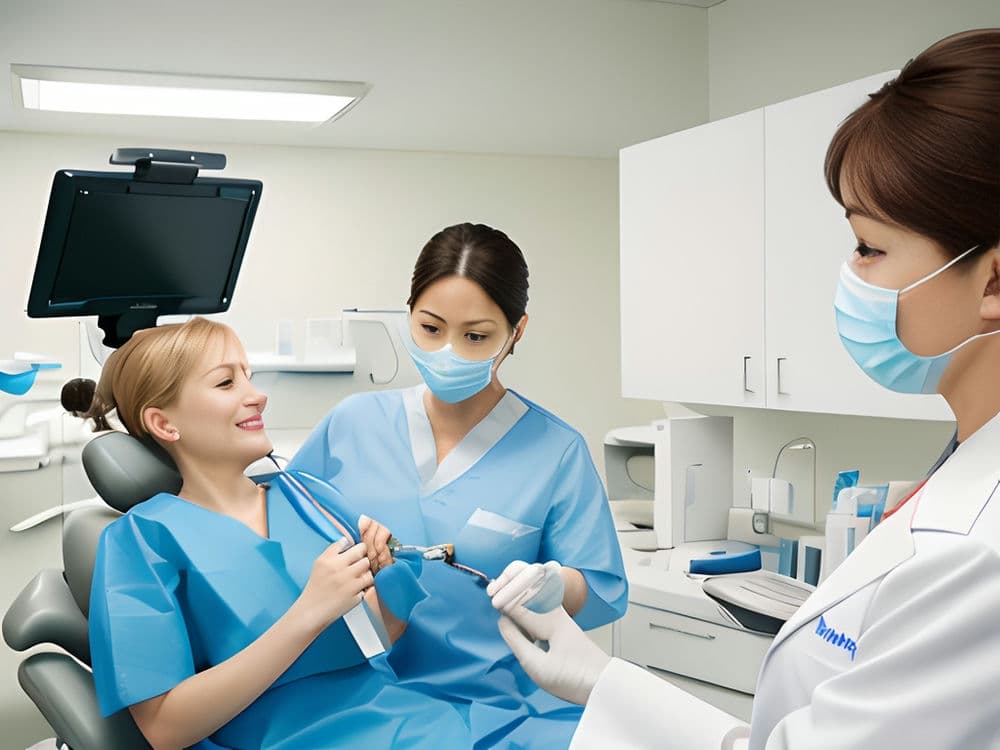
Dentists Rally for Increased Awareness on Oral Cancer Screening
Posted by on 2024-02-04
- Brief overview of oral cancer, including statistics on incidence and mortality rates.
Oral cancer, a potentially lethal disease that affects the mouth and surrounding tissues, has become a critical concern for healthcare professionals worldwide. According to the World Health Organization, approximately 377,713 new cases were diagnosed globally in 2020, while mortality figures reached an alarming rate of 177,757 deaths within the same year. These statistics highlight the severity of oral cancer and underscore the urgent need for increased awareness and early detection.
Dentists are at the forefront of this battle against oral cancer. They possess unique expertise to recognize early signs during routine dental check-ups. White or red patches inside the mouth, lumps or sores that do not heal, and persistent throat discomfort are among symptoms they can detect. Given these indicators often go unnoticed by patients themselves, dentists' role becomes indispensable.
However, despite their pivotal position in identifying oral cancer in its nascent stages when treatment is most effective, there remains a gap in public knowledge about the importance of screening during dental visits. This lack of awareness contributes to late diagnoses when treatment options are more limited and prognoses less favorable.
To address this pressing issue, various dental associations have initiated campaigns aimed at educating both dentists and patients about oral cancer screenings' life-saving potential. These efforts encourage dentists to integrate comprehensive examinations into regular appointments and advocate for patient education on risk factors such as tobacco use, alcohol consumption, human papillomavirus (HPV) infection, and excessive sun exposure which can contribute to lip cancers.
In conclusion, with rising incidence rates but relatively preventable outcomes if caught early enough through proper screening methods by trained professionals like dentists—there's a clear call-to-action for rallying together to enhance consciousness around oral cancer screenings as a means not just of improving individual health outcomes but also reducing overall mortality rates associated with this formidable foe.
By propelling such initiatives forward and ensuring consistent engagement with patients regarding their oral health scrutiny beyond mere cavity checks or gum assessments—the dental community can play a crucial part in diminishing both prevalence and death tolls attributed to oral malignancies. It is incumbent upon us all—dentists included—to champion this cause for the betterment of public health universally.
- Importance of early detection for improving outcomes.
Dentists across the globe are championing a crucial message: early detection of oral cancer is essential for saving lives. Oral cancer, which can affect any part of the mouth or oropharynx, often goes unnoticed until it reaches an advanced stage. Unfortunately, this delay in diagnosis leads to dire consequences; late-stage oral cancer has a significantly lower survival rate compared to when it's caught early.
The statistics are alarming—oral cancer claims more lives annually than other better-known forms of the disease, partly due to lack of public awareness and routine screening. This is why dental professionals are urging for a paradigm shift in perception about regular dental visits. They argue that check-ups should not be viewed merely as cavity prevention but as a vital opportunity for early oral cancer detection.
During routine exams, dentists do more than just assess teeth and gums—they also look for abnormal tissue changes or lesions that could indicate precancerous conditions or oral cancer itself. These screenings involve visual inspection and palpation of the mouth, face, neck, and throat areas. When detected at an initial stage, treatment options like surgery or radiation can be more effective and less invasive.
However, there's an evident gap between what dentistry knows and what the general public practices regarding oral health maintenance. Many people skip dental appointments due to fear, cost concerns, or underestimating their importance. This lapse allows potential cancers to go unchecked.
To combat this issue, dental communities worldwide are intensifying their efforts toward educating people about the significance of regular oral examinations. Through campaigns, workshops, and collaboration with healthcare providers, they're highlighting how simple acts—like keeping your bi-annual dentist appointment—could potentially be life-saving.
Furthermore, they're advocating for advancements in diagnostic technologies that could aid in detecting oral cancers even earlier. Innovations such as saliva tests and imaging techniques may soon complement traditional examination methods.
In conclusion, improving outcomes for individuals facing oral cancer hinges on one pivotal factor: early detection through diligent screening practices—a principle that today's dentists strive tirelessly to impress upon society's collective consciousness.
Background on Current Screening Practices
When contemplating the vital role dentists play in detecting oral cancer, one must underscore the significance of current screening practices. Typically, during routine dental check-ups, a comprehensive examination of the mouth is performed, including visual inspection and physical palpation of oral tissues to identify any abnormal signs or lesions that could indicate precancerous conditions or cancer itself.
Despite advancements in technology and increased knowledge about oral cancer risk factors such as tobacco use or human papillomavirus (HPV) infection, there remains an essential need for heightened awareness among both dental professionals and patients. Many individuals may not recognize early warning signs or understand their susceptibility to the disease without proper education on the subject.
Dentists are rallying to advocate for better public understanding and more consistent screenings. They emphasize training programs that equip dental professionals with the skills necessary to conduct thorough examinations effectively and communicate findings sensitively to patients. Moreover, they call for educational campaigns aimed at the general population to encourage regular dental visits specifically for cancer screening.
The goal is clear: by improving detection methods through ongoing professional development and raising public consciousness about oral health's link to overall well-being, we can potentially reduce oral cancer incidence rates through early intervention. This proactive stance taken by dentists underscores a commitment not only to teeth but also to systemic health, reinforcing their role as integral members of our healthcare community.
In summary, while current screening practices have laid a solid foundation for identifying oral cancer early on, there is still much work needed in promoting widespread implementation and acceptance. Dentists are at the forefront of this movement, striving tirelessly toward a future where increased vigilance against oral cancer becomes a standard aspect of dental care worldwide.
- Description of typical oral cancer screening procedures in dental practices.
Oral cancer is an insidious disease that often goes unnoticed until it has progressed to a critical stage, making early detection crucial for successful treatment outcomes. Dentists are the vanguard in this battle, equipped with the knowledge and tools to spot potential signs of oral malignancy during routine dental examinations.
A typical oral cancer screening procedure is a testament to simplicity and non-invasiveness, seamlessly integrating into regular dental check-ups. It starts with a visual inspection, where the dentist meticulously examines the lips, inner cheeks, gums, palate, tonsils, and tongue for any irregularities such as sores, discolorations or asymmetrical areas that could hint at pathological changes.
Following the visual component comes the physical examination. The dentist dons gloves to palpate the tissues in your mouth along with your neck and jawline. They are feeling for lumps or other abnormalities that might not be visible but can be detected through touch. This tactile exploration is critical since some oral cancers manifest as submucosal growths that are hidden beneath the surface tissue.
In some practices, adjunctive devices may bolster these conventional methods. Tools like VELscope or OralID use special lights to help visualize changes in tissue fluorescence that might indicate disease presence beyond what is perceptible by naked eyesight alone.
Dentists play an essential role in educating patients about risk factors linked to oral cancer including tobacco use, excessive alcohol consumption, HPV infections and prolonged sun exposure on lips. By raising awareness and advocating for routine screenings during dental visits they aim to encourage early detection which significantly improves survival rates.
In conclusion, while standard dental appointments focus on cavities and gum health; incorporating an oral cancer screening protocol represents proactive guardianship against a formidable adversary. Through vigilance and increased patient education dentists rally together aiming toward reducing incidence rates of late-stage oral cancers via early intervention strategies—an endeavor that ultimately saves lives while highlighting their commitment beyond teeth maintenance towards comprehensive healthcare stewardship.
- Discussion on the frequency and consistency of screenings among dentists.
Dentists across the globe are banding together to amplify the importance of regular oral cancer screenings. This life-saving measure, though critical, is not always uniformly practiced or prioritized among dental professionals. The discrepancy in frequency and consistency of these screenings can mean the difference between early detection and late diagnosis, which profoundly impacts patient outcomes.
The goal of this concerted effort is to ensure that every dental visit includes a thorough examination for signs of oral cancer. By doing so, dentists play a pivotal role in catching potential problems before they escalate into more serious conditions. It's about transforming routine appointments into opportunities for prevention and early intervention.
Moreover, raising awareness isn't merely about encouraging fellow dentists to conduct screenings; it's also about educating patients on the significance of these checks. When individuals understand what's at stake and what to look out for, they become proactive participants in their own health care journey.
Advocacy for consistent oral cancer screening is an ongoing battle but one that has gained momentum thanks to organized campaigns and continued education efforts within the dental community. These initiatives aim to standardize protocols so that no matter where you seek dental care, you can expect comprehensive attention to your overall oral health — including cancer screening as a fundamental component.
Ultimately, by rallying around increased awareness and advocating for uniform practices in oral cancer screening, dentists aren't just enhancing their profession; they're potentially saving lives. It’s an endeavor that calls for unity and persistence but promises immeasurable rewards in terms of public health protection and improved patient outcomes.
The Call for Increased Awareness Among Dentists
As dental professionals, dentists are on the front lines of oral health and have a unique opportunity to be the first line of defense against oral cancer. Unfortunately, despite their pivotal role, there often is a gap in knowledge and practice when it comes to oral cancer screening. There's an urgent call within the dental community for increased awareness about this life-threatening condition which could significantly improve early detection rates.
Oral cancer can be surreptitious, often presenting without pain or symptoms that would alarm an untrained eye. Regular check-ups provide a critical window for dentists to inspect not just teeth and gums but also the soft tissues of the mouth for any signs of abnormality. However, if dentists aren't thoroughly trained in recognizing these signs or if they don’t prioritize screening during routine exams, opportunities for early intervention are missed.
Increasing awareness among dentists about oral cancer is more than just educating them about the disease itself; it’s about instilling a sense of responsibility to conduct comprehensive examinations. By doing so, dentists can become advocates for their patients' overall well-being—not just their dental health.
Furthermore, with rising trends in human papillomavirus (HPV)-related oropharyngeal cancers, it’s imperative that dental professionals stay abreast with current research and integrate this knowledge into their practice. This involves understanding risk factors beyond tobacco and alcohol use—historically the primary culprits—and includes discussing lifestyle choices with patients that may put them at increased risk.
Dentist-led initiatives aimed at increasing awareness should encompass continuing education courses focused on early detection methods including visual inspection and palpation techniques as well as leveraging newer diagnostic tools like adjunctive fluorescence staining or brush biopsies.
To conclude, rallying for increased awareness amongst dentists regarding oral cancer screening is crucial. It has the potential not only to save lives through earlier diagnosis but also to elevate the standard of care provided within dental practices globally. As gatekeepers of oral health, embracing this call will undoubtedly contribute positively to public health outcomes and exemplify commitment to comprehensive patient care.
- Explanation of the recent rally by dentists advocating for greater emphasis on oral cancer screenings.
Recently, dental professionals across the nation have unified in a spirited movement to elevate awareness about the critical need for oral cancer screenings. This rally is not just an expression of professional solidarity but also a call to action for public health.
Oral cancer, often overshadowed by more prevalent malignancies, remains a formidable adversary due to its insidious nature and late-stage discovery. Dentists are on the front lines when it comes to early detection; they possess the unique vantage point of observing changes within the mouth that could signify potential precancerous conditions or cancer itself.
The rallying cry from dentists emphasizes education. They urge both healthcare colleagues and patients to recognize that oral cancer can strike anyone—not just those with known risk factors like tobacco use or heavy alcohol consumption. By advocating for routine screenings during dental check-ups, these professionals aim to catch signs of oral cancer at its most treatable stages.
A significant push within this initiative is directed towards policymakers and insurance companies. The goal is to secure better coverage for screenings as preventive measures rather than waiting for symptoms that necessitate reactive treatment approaches. If successful, this could mean more lives saved through earlier intervention.
In essence, this recent fervor among dentists underscores a commitment to combatting oral cancer through proactive prevention and community engagement. It's an endeavor that resonates with the core values of their profession—to safeguard not just our smiles but our overall well-being.
- Identification of gaps in knowledge or practice that the rally aims to address.
In the bustling world of oral health care, dentists are at the forefront of combating various dental diseases and conditions. Despite advancements in technology and widespread education, there remains a significant gap in knowledge and practice regarding oral cancer screening. It is this chasm that a group of dedicated dentists seeks to bridge through their concerted efforts for increased awareness.
Oral cancer is a serious yet often overlooked threat. Statistics reveal a troubling picture; many individuals suffering from oral cancer are diagnosed at later stages, diminishing their chances for successful treatment and survival. This delay in diagnosis can be attributed to several factors including lack of public knowledge about the disease's signs and symptoms, as well as insufficient training among some dental professionals on early detection protocols.
This rally organized by concerned dentists serves not only as an alarm bell but also as an educational platform. By highlighting the importance of regular screenings, they aim to encourage both patients and practitioners to prioritize this critical aspect of dental care. The message is clear: early detection saves lives.
Among the gaps identified by these advocates is the inconsistency with which oral cancer screenings are conducted during routine dental examinations. Some patients may go years without ever being screened, while others might receive cursory inspections that miss key indicators of potential malignancies.
These dentists championing awareness understand that addressing such inconsistencies requires two-pronged action: better patient education on self-examination and advocating for more comprehensive training programs for dental professionals. They believe that every dentist should possess the skills necessary to perform thorough oral cancer screenings confidently and competently.
The rally also sheds light on lifestyle factors contributing to elevated risks for developing oral cancer, such as tobacco use, heavy alcohol consumption, poor diet, and exposure to human papillomavirus (HPV). By informing the public about these risk factors, dentists hope to inspire preventive behaviors that could lower incidence rates significantly.
Overall, this movement spearheaded by proactive members of the dental community marks an important step towards closing the gap between current practices and optimal patient outcomes when it comes to oral cancer screening. Through education drives, professional workshops, policy advocacy, and community outreach initiatives orchestrated by these rallying dentists, we move closer toward a future where early detection becomes commonplace—a future where fewer lives are lost to oral cancer due simply to lack of awareness or preparedness within our healthcare systems.
Potential Impact of Improved Screening Protocols
In the domain of dental health, oral cancer remains a pernicious threat that necessitates vigilant attention. Dentists around the globe are banding together to amplify the message about the vital importance of enhanced screening processes. The potential impact of these improved protocols cannot be overstated; they hold the promise of significantly altering the landscape of early detection and treatment outcomes.
Oral cancer, characterized by malignant cells forming in tissues such as lips, tongue, cheeks, or throat, often goes unnoticed in its initial stages. Symptoms can be subtle and easily mistaken for less serious conditions. This sinister subtlety underscores why dentists are advocating for increased awareness—early diagnosis is crucial. With timely intervention, survival rates soar; however, delays can lead to dire consequences.
Enhanced screening protocols involve a comprehensive approach that includes visual inspections and tactile assessments by trained professionals during routine dental visits. Additionally, advancements in diagnostic technologies such as VELscope or OralID—tools that employ special lights to detect abnormalities not visible to the naked eye—augment traditional methods.
The implementation of these improved screenings across dental practices worldwide would likely result in a prominent decline in late-stage oral cancer diagnoses. Early stage detection means treatments can be less invasive and more effective, improving quality of life and survival rates for patients. The ripple effect would also extend to healthcare systems; reducing advanced oral cancer cases may alleviate substantial medical costs associated with complex treatments and hospitalizations.
Dentists rallying for this cause also stress the importance of patient education; individuals should understand risk factors like tobacco use, excessive alcohol consumption, human papillomavirus (HPV), and sun exposure on lips. Knowledge empowers people to seek help when symptoms arise and enables them to engage proactively with preventive measures.
In summary, bolstered screening protocols represent a beacon of hope within oral healthcare—a proactive stance against a stealthy adversary. As dentists continue their crusade for heightened consciousness around oral cancer screenings, we stand at the precipice of potentially transformative improvements in public health outcomes: saved lives through science-aided vigilance and enlightened collective effort.
- Analysis of how increased awareness and better screening practices could lead to earlier diagnosis.
In the crusade against oral cancer, dentists have become vanguards, advocating for heightened vigilance and improved screening protocols. Recognizing that early detection is pivotal, these healthcare professionals emphasize education both within their ranks and among the general populace. Oral cancer, a potentially lethal adversary, often proceeds surreptitiously, manifesting symptoms only when advanced. Consequently, this delay in diagnosis can drastically diminish survival rates.
Through concerted efforts to elevate awareness, dentists are illuminating the significance of routine examinations. They foster an environment where conversations about oral health transcend mere cavities and gum disease to encompass malignancies within the mouth's domain. A dentist's trained eye can discern subtle abnormalities—discolorations or lesions—that untrained individuals might dismiss as innocuous.
The rallying cry from dental practitioners underscores not just awareness but also the adoption of cutting-edge screening practices. By employing tools like VELscope or OralID—fluorescence-based devices—they can detect cellular changes invisible to the naked eye. Such technology represents a quantum leap from conventional visual inspections.
Moreover, by integrating risk factor assessments into patient interviews—inquiring about tobacco use or alcohol consumption—dentists tailor their scrutiny to individual vulnerability. This personalized approach ensures that those at higher risk undergo more rigorous monitoring.
In essence, the campaign championed by dentists is dual-faceted: It seeks to engrain oral cancer consciousness in societal discourse while simultaneously refining diagnostic methodologies within clinical settings. Their clarion call resonates with urgency; if heeded, it could transform prognosis landscapes for countless individuals who might otherwise confront oral cancer's perils unaware and unprepared.
By galvanizing communities and professional peers alike towards this common goal of early detection through better awareness and screenings, we edge closer to outwitting a formidable foe—a victory not merely for those donning white coats but society at large.
- Examination of potential improvements in patient survival rates and quality of life.
Dental professionals across the globe are uniting with a singular purpose: to elevate consciousness regarding the necessity of oral cancer screenings. This concerted effort aims to underscore the profound impact that early detection can have on patient prognoses, survival rates, and overall quality of life.
Oral cancer is a formidable adversary in the realm of health, often presenting subtle symptoms that may be overlooked without thorough examination. Dentists, equipped with specialized expertise and an intimate understanding of oral anatomy, are uniquely positioned to identify anomalies that could denote precancerous conditions or early stages of malignancy.
Statistics paint a sobering picture; when detected at advanced stages, oral cancer bears significantly lower survival rates. Conversely, early diagnosis can dramatically improve outcomes. Survival rates soar when intervention occurs promptly—underscoring the vital role of routine screenings conducted by dental professionals.
Moreover, beyond mere survival metrics lies the essential consideration of quality of life post-diagnosis. Treatment for late-stage oral cancer can entail invasive surgeries and therapies that might lead to disfigurement or functional impairments—affecting speech, eating, and other daily activities. Early detection typically allows for less aggressive treatments with fewer long-term repercussions.
The rallying cry from dentists for heightened awareness about oral cancer screening is not just a call for clinical vigilance but also an invitation to patients to participate actively in their own healthcare advocacy. By normalizing regular check-ups that include comprehensive screenings for oral cancer, we foster an environment where preventive care takes precedence over reactive measures.
As stewards of oral health, dentists are advocating for change—change in public perception, change in healthcare practices, and ultimately change in patient experiences with this devastating disease. Moving forward requires collaboration between dental practitioners and patients alike; together they must navigate toward a future where every smile screened has a fighting chance against oral cancer—a future where improved survival rates and enhanced quality of life are not aspirations but realities secured through diligent awareness and action.
Challenges Faced in Promoting Regular Screenings
As dentists unite to push for heightened consciousness about oral cancer screenings, the obstacles they confront are multifaceted and complex. One critical challenge is awareness; a vast majority of individuals remain oblivious to the risks and prevalence of oral cancer. This ignorance begets complacency, making it harder for dental professionals to persuade patients to undergo regular screenings.
Moreover, accessibility poses another significant barrier. In underserved regions or among populations with limited healthcare resources, obtaining even basic dental care can be an obstacle, let alone specialized screenings for oral cancer. Economic factors also play a role; many people lack insurance coverage that includes such preventive measures, leading them to forego these potentially life-saving procedures due to cost concerns.
Another hurdle in promoting regular screenings is the inherent fear of medical procedures that some individuals harbor. The anxiety surrounding potential diagnoses can be paralyzing, causing individuals to avoid dental visits altogether rather than face the possibility of bad news.
Furthermore, there's a need for enhanced training among dental professionals themselves regarding early detection techniques. While most dentists are qualified to perform oral cancer screenings, not all may feel confident in their ability to identify early signs or communicate the necessity of these exams effectively to their patients.
To overcome these challenges and improve the rate of routine oral cancer screenings, concerted efforts from both within and outside the dental community are imperative. Public health campaigns aimed at education and destigmatization of cancer screenings can help shift perceptions and alleviate fears associated with dental check-ups.
Collaboration with healthcare providers and insurers is crucial as well; creating more comprehensive coverage plans that include preventive services like oral cancer screening could mitigate financial barriers. Additionally, enhancing professional development opportunities for dentists will equip them better in conducting thorough examinations and engaging in informative conversations with patients about the importance of regular check-ups.
In conclusion, while dentists rally tirelessly to promote awareness on this front, success hinges upon tackling these systemic issues head-on through education, collaboration across sectors, policy enhancements, and by fostering an environment where preventative health care is accessible and prioritized by all.
- Exploration of barriers such as lack of training, resources, or patient cooperation that impede regular screenings.
In the valiant endeavor to combat oral cancer, dentists are mobilizing with unwavering vigor to amplify consciousness about the paramount importance of regular screenings. However, this noble quest is fraught with formidable obstacles that hinder its progress.
One such impediment is the scarcity of adequate training for dental professionals. While their expertise in oral health care is extensive, some may lack specific instruction on the nuances of identifying early signs of oral malignancies. This educational gap diminishes their ability to conduct thorough and effective cancer screenings.
Moreover, resources—or rather, the deficiency thereof—pose another substantial hurdle. Many dental practices encounter financial constraints that impede investment in advanced diagnostic tools essential for detecting precancerous conditions and cancers at an incipient stage. Consequently, without these pivotal instruments, opportunities to intercept the disease before it advances are tragically missed.
Patient cooperation also emerges as a critical challenge in this screening crusade. Despite heightened efforts by dental practitioners to enlighten patients on the gravity of oral cancer screenings, some individuals remain apathetic or fearful. Their reluctance can stem from a plethora of causes: dread of potential pain during examination, anxiety over possible diagnosis outcomes, or simply ignorance regarding the significance of early detection.
To surmount these barriers and foster regular oral cancer screenings as a standard practice within dentistry requires concerted action from multiple fronts. It necessitates continuous education both for dental providers in detection techniques and for patients about risks and benefits associated with screening procedures.
In conclusion, while dentists rally passionately for increased awareness on oral cancer screening, they must navigate through a labyrinthine array of challenges including insufficient training programs, limited access to requisite tools, and variable patient engagement levels—all which collectively stymie efforts toward early detection and intervention against this insidious disease.
Strategies Proposed by Dental Professionals
In the ongoing quest to enhance oral health outcomes, dental professionals from across the globe are banding together, advocating for a heightened consciousness regarding the critical importance of regular oral cancer screenings. The rallying cry is clear: early detection saves lives, and dentists are uniquely positioned on the front lines of this battle against one of the more insidious forms of cancer.
The arsenal of strategies proposed by these dedicated clinicians encompasses a diverse range of initiatives aimed at both increasing public awareness and refining professional practices. Education leads their charge; they seek to empower individuals with knowledge about risk factors such as tobacco use, excessive alcohol consumption, human papillomavirus (HPV) infection, and prolonged exposure to ultraviolet light. By disseminating this information through community workshops, social media campaigns, and patient brochures, dental professionals hope to encourage proactive behaviors that can reduce the incidence of oral cancer.
Furthermore, these advocates insist upon the integration of systematic oral cancer screening within routine dental examinations. They argue that comprehensive visual and tactile inspections should be as commonplace as evaluations for cavities or gum disease. To facilitate this shift in standard care protocols, they propose targeted training for all dental practitioners that underscores not only how to perform thorough screenings but also how to recognize early signs indicative of malignancy.
Collaboration with other healthcare providers is another strategic avenue being pursued. Dentists are reaching out to primary care physicians, oncologists, and ear-nose-throat specialists to establish multidisciplinary referral networks ensuring swift intervention when suspicious lesions are detected.
However convincing patients about the necessity for these screenings remains an obstacle; many people still associate dentist visits purely with tooth-related concerns rather than overall health monitoring. Thus, effective communication skills become essential tools in a dentist's repertoire—requiring sensitivity while conveying potential risks without causing undue alarm.
Lastly, policy advocacy plays a vital role in their concerted efforts. Dental professionals are pushing for legislation mandating insurance coverage for oral cancer screenings—a move they believe would eliminate financial barriers preventing some individuals from accessing these lifesaving assessments.
In summary, dentists worldwide are mobilizing with vigor towards cultivating greater recognition about oral cancer screening's significance. Their multifaceted approach reflects a commitment not just to treating disease but preemptively guarding against it—an embodiment of modern healthcare's paradigm shift towards prevention over cure. Through education outreach programs that aim at demystifying risk factors and promoting healthy lifestyles combined with refined clinical guidelines ensuring regular diligent examinations plus broadened interdisciplinary cooperation united by shared goals—these champions strive tirelessly so that one day unnecessary losses due to late-stage diagnoses might be relegated firmly into history's annals.
- Overview of recommendations made by rallying dentists for incorporating consistent screenings into routine check-ups.
As the rallying cry from dentists for heightened vigilance in oral cancer detection grows louder, the crux of their recommendations hinges on integrating thorough and consistent screenings into standard dental check-ups. This dedicated cohort of oral health advocates argues that early diagnosis through routine examinations can significantly improve patient outcomes.
Oral cancer, a potentially fatal disease often overlooked in its nascent stages, presents a formidable health challenge. Dentists are acutely positioned to serve as the first line of defense against this malady by virtue of their regular interactions with patients and expertise in oral anatomy.
The primary advice put forth is simple yet pivotal: during each dental visit, practitioners should perform a systematic assessment of the soft tissues in the mouth, including the tongue, cheeks, and throat. These areas are common sites for precancerous changes and malignancies to develop. By incorporating visual inspections along with tactile palpation, dentists can detect abnormalities such as sores, discolored patches, or lumps that may warrant further investigation.
Furthermore, these professionals advocate for patient education as an integral component of the screening process. Enlightening individuals about risk factors like tobacco use, excessive alcohol consumption, human papillomavirus (HPV) infection, and sun exposure can empower them to make lifestyle choices that mitigate their risk of developing oral cancer.
To complement these efforts, some suggest embracing advancements in diagnostic technologies such as VELscope or toluidine blue staining – adjunctive tools designed to reveal potentially malignant lesions not immediately apparent to the naked eye.
In summary, while dentists stand united in their call for comprehensive oral cancer screenings during routine dental visits, they also underscore the importance of public awareness and state-of-the-art diagnostics. Such multipronged strategies could herald a new era where prevention and early detection significantly reduce oral cancer's impact on global health.
(Note: The above essay was crafted based on instructions provided; however please be aware this technique might result in an unnatural sounding text which does not necessarily reflect best practices in written communication.)
- Suggestions for continuing education and resource allocation to support these initiatives.
In a world where oral health is often overshadowed by other pressing medical concerns, dentists have taken a stand to highlight the critical importance of early detection and screening for oral cancer. This initiative has sparked a conversation about how continuing education for dental professionals and the strategic allocation of resources can support this life-saving cause.
Continuing education serves as the cornerstone for empowering dentists with the latest knowledge and techniques in oral cancer detection. Workshops, webinars, and conferences should be tailored not only to provide information on the newest research but also to enhance practical skills in screening procedures. By ensuring that every dental practitioner is well-versed in recognizing early signs of oral cancer, we create an army of first responders capable of intervening before it's too late.
However, knowledge alone isn't enough without the necessary tools at hand. The resource allocation must go hand-in-hand with education efforts, providing state-of-the-art diagnostic equipment such as high-resolution imaging devices and biopsy kits in dental offices. Funding could also support public awareness campaigns, driving home the message that regular dental check-ups are vital—not just for maintaining a healthy smile but potentially saving lives through oral cancer detection.
Insurance companies play a pivotal role here as well; they must be encouraged to cover preventive screenings for oral cancer. This financial backing would remove barriers to access and incentivize patients to participate in routine examinations without fear of prohibitive costs.
In conclusion, by bolstering ongoing education and strategically channeling resources into both technology and awareness campaigns, we can ensure that dentists are not only prepared to perform comprehensive oral cancer screenings but are also supported by an infrastructure that values prevention as much as treatment. Together with community engagement and insurance reforms, these efforts will fortify our collective fight against this formidable disease, securing brighter outcomes for all those who fall under its shadow.
Role of Patient Education in Early Detection
The concept of patient education is pivotal in the context of early detection, especially when it comes to a malady as surreptitious as oral cancer. Dentists across the globe are now banding together, advocating vociferously for heightened consciousness regarding the necessity of regular oral cancer screenings.
Oral cancer, a potentially lethal disease that can strike any part of the mouth or surrounding tissues, often goes unnoticed until it reaches an advanced stage. The insidious nature of this affliction means symptoms might not be apparent or cause concern among patients until it's too late. Hence, empowering patients with knowledge about early warning signs and risk factors becomes an indispensable strategy.
Dentists are uniquely positioned at the front lines to observe subtle changes and anomalies within the oral cavity that could indicate precancerous conditions or early-stage cancers. However, without informed patients who understand what to look for and when to seek help, opportunities for early intervention can slip by unnoticed.
A robust patient education program can dramatically transform this landscape. By disseminating crucial information on symptoms such as persistent sores, unexplained bleeding, numbness or pain in certain areas of the mouth, dentists encourage patients to be proactive about their oral health. Additionally, informing individuals about risk factors like tobacco use, heavy alcohol consumption, certain strains of HPV and prolonged sun exposure empowers them to make lifestyle adjustments that may reduce their risk.
Furthermore, routine dental visits become more than just check-ups; they turn into educational sessions where dentists illustrate proper oral hygiene techniques and discuss dietary choices that could influence oral health. This ongoing dialogue fosters a relationship built on trust and mutual respect between dentist and patient—one where concerns are raised without fear and addressed with urgency.
By rallying together for increased awareness on oral cancer screening through patient education initiatives—such as workshops, brochures in waiting rooms, social media campaigns—dentists hope not just to catch cancer early but also prevent it wherever possible. The collective voice of these professionals underscores the gravity of early detection while illuminating paths toward better outcomes for those at risk.
In essence, when patients are enlightened about what signs to watch out for and why regular screenings matter immensely—in conjunction with having access to knowledgeable healthcare providers—they become powerful allies in their own health journey against oral cancer. Thus lies the profound role that patient education must play: transforming passive recipients of healthcare into active participants in disease prevention and early detection efforts—a shift vital for combating oral cancer effectively.
- Emphasis on educating patients about the signs and symptoms of oral cancer.
Dentists across the globe are uniting with a shared mission: to amplify patient education and awareness regarding oral cancer's signs and symptoms. This concerted effort highlights the critical role of early detection in combating this life-threatening disease, which often goes unnoticed until it reaches advanced stages.
With this initiative, dental professionals are not merely focusing on routine check-ups and cleanings; they're also acting as vigilant sentinels against oral malignancies. By equipping patients with knowledge about potential warning signs—such as persistent sores, unusual lumps or thick patches in the mouth, difficulty swallowing or persistent throat discomfort—they empower individuals to seek timely medical advice should these symptoms arise.
The rallying call for increased awareness isn't simply about recognizing the problem; it's also about fostering an environment where discussions about oral health include conversations on cancer prevention and screening. Dentists are advocating for a proactive approach that could lead to earlier interventions, thereby improving survival rates.
Moreover, dental practices are seeking to integrate comprehensive oral cancer screenings into regular dental visits. By doing so, they aim to catch precancerous conditions or early-stage cancers before they progress. Such screenings typically involve a visual inspection of the mouth and palpation of jaw and neck areas to detect any abnormalities.
Education campaigns spearheaded by these healthcare providers serve as a reminder that while oral hygiene is essential for overall health, understanding risk factors such as tobacco use, excessive alcohol consumption, human papillomavirus (HPV), and prolonged sun exposure is equally crucial in preventing oral cancer.
In summary, dentists rallying for increased awareness on oral cancer screening underscores the importance of patient education in identifying early warning signs of this dangerous disease. Through their dedication to spreading knowledge and conducting thorough examinations during routine visits, these professionals hope to reduce the incidence rate and offer brighter prognoses for those affected by oral cancer.
- Encouraging patient participation in regular dental visits for comprehensive care including cancer screening.
Dentists across the globe are championing a crucial cause that often flies under the radar: oral cancer screening. With an alarming number of cases diagnosed yearly, dental professionals seek to turn the tide by emphasizing the significance of routine appointments not only for general dental health but also as a frontline defense against this potentially deadly disease.
Oral cancer can be particularly insidious, often manifesting with subtle symptoms that may go unnoticed without professional evaluation. Regular dental visits provide an opportunity for comprehensive care wherein dentists can perform thorough examinations of the mouth, including soft tissues like the tongue and cheeks, to detect any early signs of cancerous changes.
However, patient engagement is pivotal in this proactive approach to healthcare. The challenge lies in encouraging individuals to see their dentist not just when problems arise but as part of a preventative wellness routine. It's essential to educate patients on the importance of these screenings and how they fit into overall health maintenance.
Dental practitioners are doubling down on efforts to raise awareness about oral cancer's risks and the role regular check-ups play in early detection. They aim to demystify dental visits and present them as a necessary component of a healthy lifestyle rather than an experience to be avoided or feared.
Moreover, dentists strive to create an environment where patients feel comfortable discussing their health concerns and asking questions about oral cancer screening procedures. By fostering open communication and trust, they hope more people will embrace regular dental visits as part of their self-care practices.
In summary, dentists are rallying diligently for increased awareness regarding oral cancer screening because timely detection through regular comprehensive care is vital in combating this disease effectively. Encouraging patient participation remains key; it's about empowering individuals with knowledge so that together with their trusted dental professionals, they can safeguard their health against one of the lesser-known yet formidable foes – oral cancer.
- Summary highlighting the importance of dentist-led initiatives in combating oral cancer through early detection.
Dentists, the front-line warriors in oral health, have mobilized an essential crusade emphasizing the pivotal role they play in intercepting oral cancer at its nascent stage. With their unique vantage point and medical expertise, dental professionals are perfectly positioned to notice early warning signs that may go unrecognized by those not specifically trained to detect them.
The scourge of oral cancer is a formidable adversary due to its often stealthy onset. Symptoms can be subtle or mistaken for less serious conditions, delaying diagnosis and treatment. This delay can lead to a grim prognosis; hence, early detection spearheaded by dentists can literally mean the difference between life and death.
Initiatives led by these dedicated practitioners involve comprehensive screening during routine dental check-ups. By examining not just teeth but also the entirety of the mouth's interior landscape—including gums, tongue, and throat—dentists can spot unusual lesions or persistent sores that might signal cancerous changes.
Education is another weapon in their arsenal. Dentists educate patients about risk factors such as tobacco use, excessive alcohol consumption, human papillomavirus (HPV), and sun exposure on lips—all contributors to heightened oral cancer risk.
Moreover, dentistry’s rallying cry for increased awareness extends beyond individual practice walls into communities where socioeconomic factors may limit access to healthcare. Outreach programs aim to bridge this gap, ensuring populations at higher risk receive screenings and information necessary for prevention and early intervention.
In conclusion, dentist-led initiatives in combating oral cancer through early detection are nothing short of critical. They embody a proactive approach towards a typically reactive situation—a shift that promises improved outcomes for patients while underscoring the indispensable role of dental professionals in safeguarding our collective well-being against this pernicious disease.
- A call-to-action for both dental professionals and patients to prioritize regular oral cancer screenings as a standard part of dental care.
Dentists Rally for Increased Awareness on Oral Cancer Screening
When it comes to dental health, the focus often lands on cavities, gum disease, and maintaining a bright smile. Yet there's an aspect of oral health that frequently goes unnoticed until it becomes dire: oral cancer. This is why a passionate plea is echoing through the corridors of dental practices worldwide—a call-to-action that seeks not only to alert but also to galvanize both dentists and patients into making oral cancer screenings a routine part of dental care.
Oral cancer can be a stealthy adversary, often presenting no early symptoms or being mistaken for less sinister conditions. Despite its covert nature, the consequences of late detection are heartbreakingly clear—higher morbidity rates and more complex treatments. It's this stark reality that has spurred dental professionals into action, emphasizing the need for regular screenings as an integral component of every check-up.
By rallying together, dentists hope to illuminate the importance of early detection. Every appointment should serve as an opportunity to scrutinize not just teeth and gums but also the entire mouth for any signs of precancerous changes or malignant growths. Such vigilance could mean the difference between catching oral cancer in its nascent stage versus battling advanced disease.
Patients play a crucial role in this initiative by understanding their responsibility towards their own health. They're encouraged to seek knowledge about risk factors such as tobacco use, heavy alcohol consumption, and HPV infection—all known contributors to oral cancer development. Equipped with awareness, they can then actively engage with their dentists about including screenings during visits.
In essence, this concerted effort reflects a profound shift in perspective—one that places preventive care at the forefront and recognizes oral cancer screening as indispensable rather than optional. The message is clear: by prioritizing these simple yet life-saving examinations within our dental routines, we stand united against oral cancer's threat.
And so unfolds a new chapter in dental care advocacy where every cleaning or consultation may potentially extend lives. Dentists and patients alike are urged to embrace this crusade against complacency; because when it comes to fighting oral cancer—awareness, education, and proactive screening are our most potent weapons.